
Brain tech — where neuroscience meets what lies beyond AI
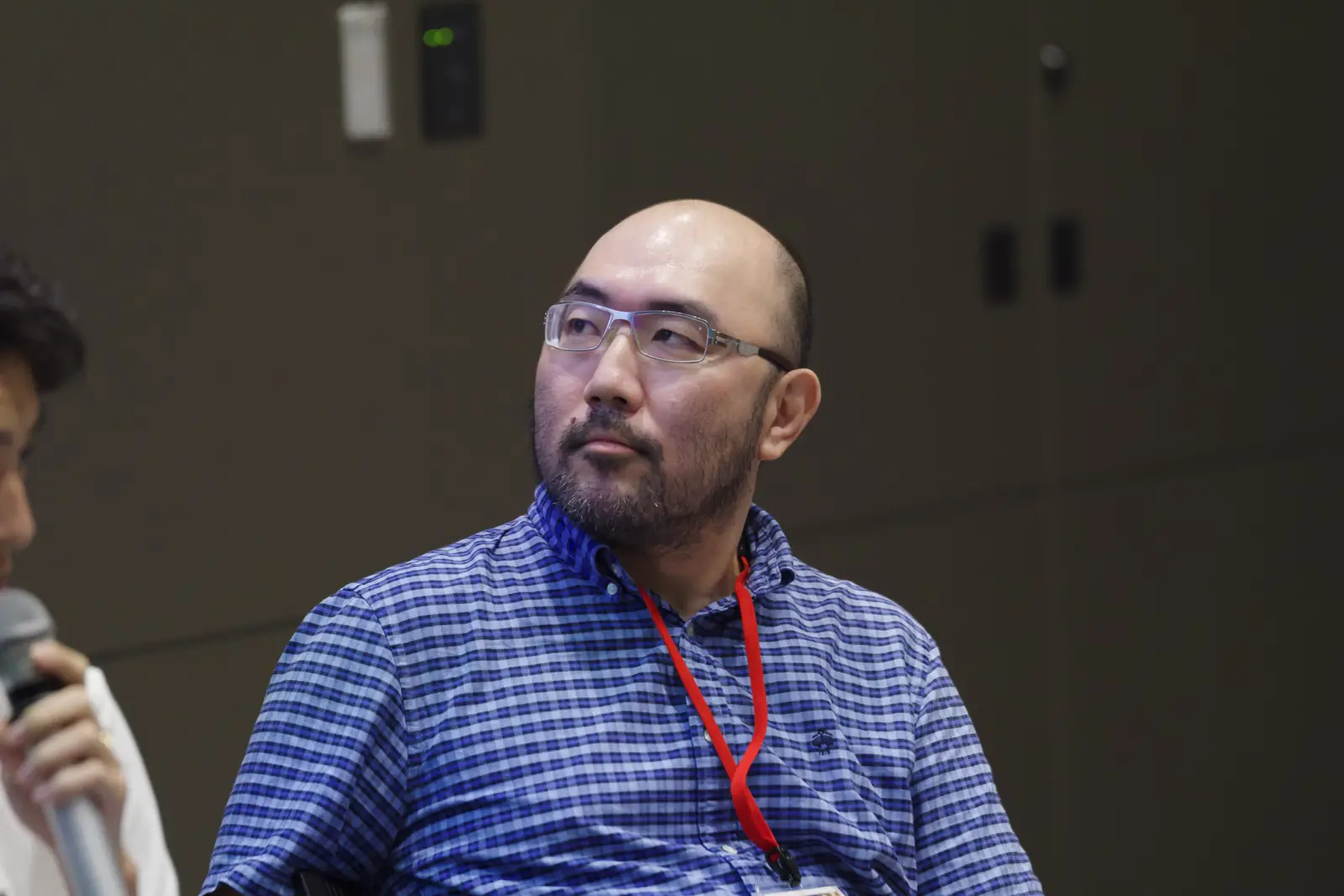
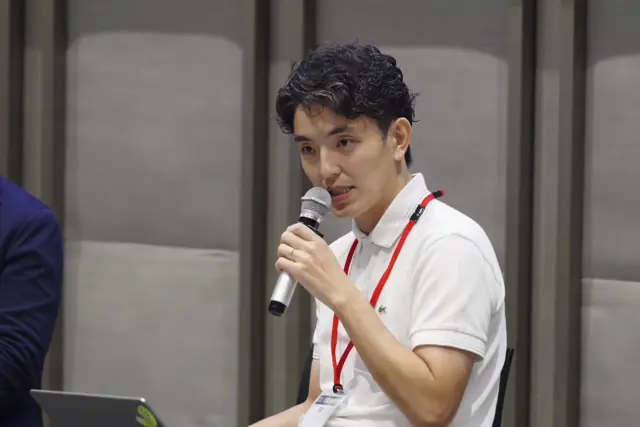
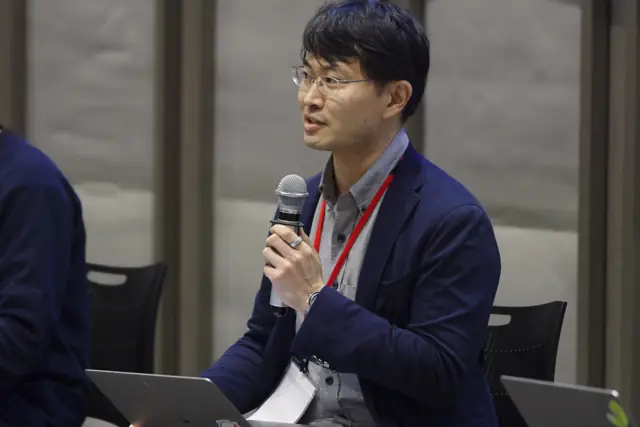
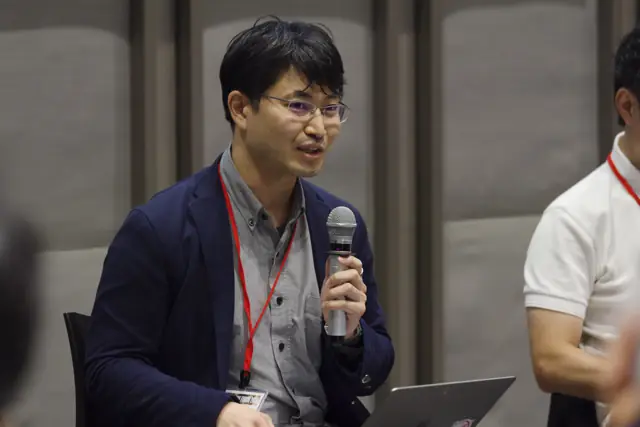
What was discussed
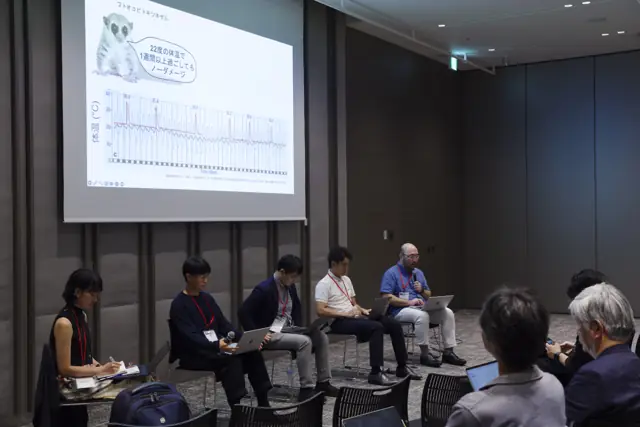
The session discussed what technologies for measuring and stimulating the brain make possible and how to verify their results. While research on operating robots by combining brain waves, myoelectricity, and heartbeat was introduced, the problem that many products have not sufficiently verified their effects was also raised. Research on artificial hibernation, which lowers energy demand to get through acute-disease crises, and shared brain-region responses in experiences of art, music, and moral beauty were taken up. The possibility of capturing emotions that cannot be put into words by combining brain activity and bodily responses was also discussed.
About this session
An age in which AI is connected to human beings. The brain-machine interface is the technology that brings a future of direct connection between people and AI down into reality. And at the frontier of neuroscience, where findings emerge one after another, more of our own human possibility is being opened up. In this session we learn both sides alongside frontier research, and envisage where humanity goes next.
Speakers
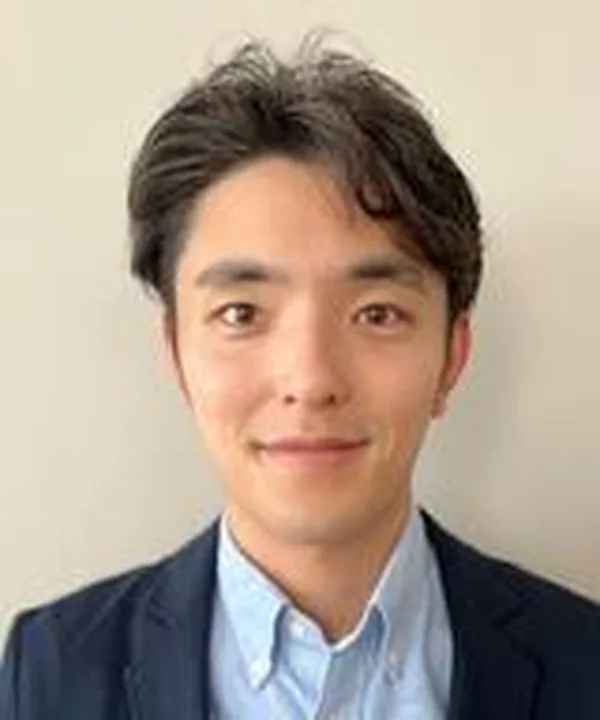
Mitsuaki Takemi
Hiroshima University Associate Professor, Graduate School of Advanced Science and Engineering
He received his master's degree in engineering in 2012 and his doctorate in engineering in 2015, both from the Graduate School of Science and Technology at Keio University. After serving as a project lecturer there, he became an associate professor at the Graduate School of Advanced Science and Engineering, Hiroshima University, in 2025. Combining electroencephalography and electromyography with non-invasive brain stimulation and motion analysis, he studies how new motor skills are acquired and how brain states can be manipulated to enhance that process. He also works on guidebooks and systematic reviews so that neurotechnology, the consumer application of neuroscience, is understood accurately by society.
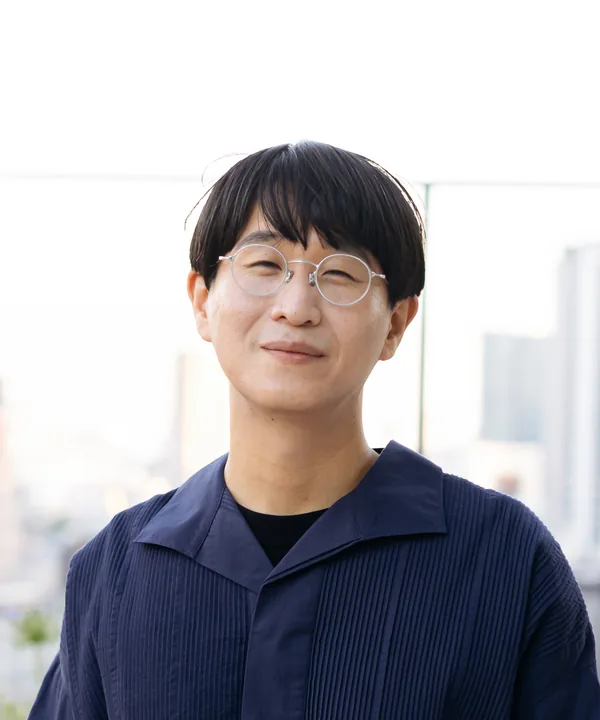
Tomohiro Ishizu
Kansai University, Faculty of Letters Professor
A professor in the Faculty of Letters at Kansai University, he researches neuroaesthetics, experimental psychology and cognitive neuroscience. Combining the methods of psychology and brain science, he examines what the brain and cognition are doing when we experience beauty, ugliness, art, creation and being moved. He also works on applying the science of sensibility in society, teaching and researching explanations of the mind grounded in evidence, drawn from art and from everyday sensation.
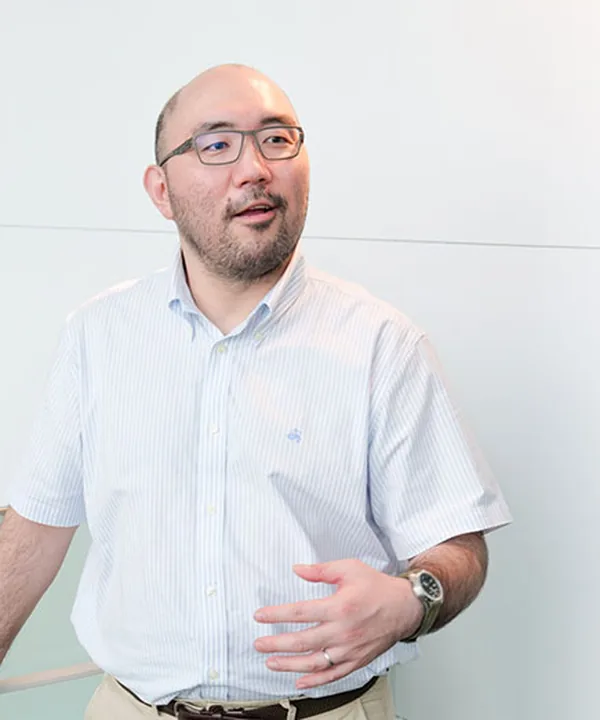
Genshiro A. Sunagawa
Hibernation Biology Research Team, Center for Biosystems Dynamics Research, RIKEN Team Director
After graduating from Kyoto University he worked as a paediatrician at Osaka Red Cross Hospital and the National Center for Child Health and Development, and has researched sleep regulation and dormancy in mammals at RIKEN. He now leads the Hibernation Biology Research Team, working to explain the active hypometabolic states of hibernation and daily torpor in nature, with a view to clinical applications of induced hibernation in patient transport, organ preservation and general anaesthesia.
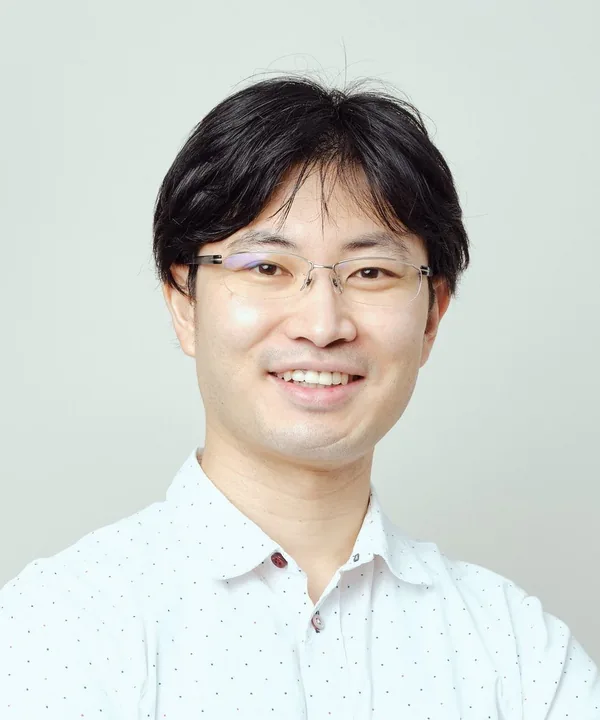
Kan Akutsu
Araya Inc. Head of Research and Development / Leader, MultiSense Foundation team
He took a master's in information science and technology at the University of Tokyo in 2012. He worked on planning and building social games at DeNA and on HR and product development at ZEALS. In June 2023 he joined Araya, where he builds the development platform for brain-machine interfaces. In the Kanai project under Moonshot Goal 1 he leads work on shared platform technology, developing BMIs that integrate multiple biosignals including EEG and EMG.

Teruyoshi Sumiya
ModeratorPnika Design Researcher
From Higashimurayama, Tokyo. He served with the Japan Overseas Cooperation Volunteers and worked on open innovation at a nonprofit. At Keio University's Graduate School of System Design and Management he researched multi-stakeholder rulemaking and earned a master's degree. He went on to advance agile governance — an open, self-organising form of governance — through his own organisation and at the World Economic Forum Centre for the Fourth Industrial Revolution Japan. Since encountering the anthropologist Arturo Escobar's idea of the pluriverse, he has explored new ways of relating to nature and plural forms of governance, with care and multispecies thinking as his keywords.
Watch the recording
The recording of this session, with subtitles and a summary, is part of the archive. One purchase covers all 33 sessions with no viewing deadline. Purchase and viewing are in Japanese.