
The role of leaders who become good ancestors
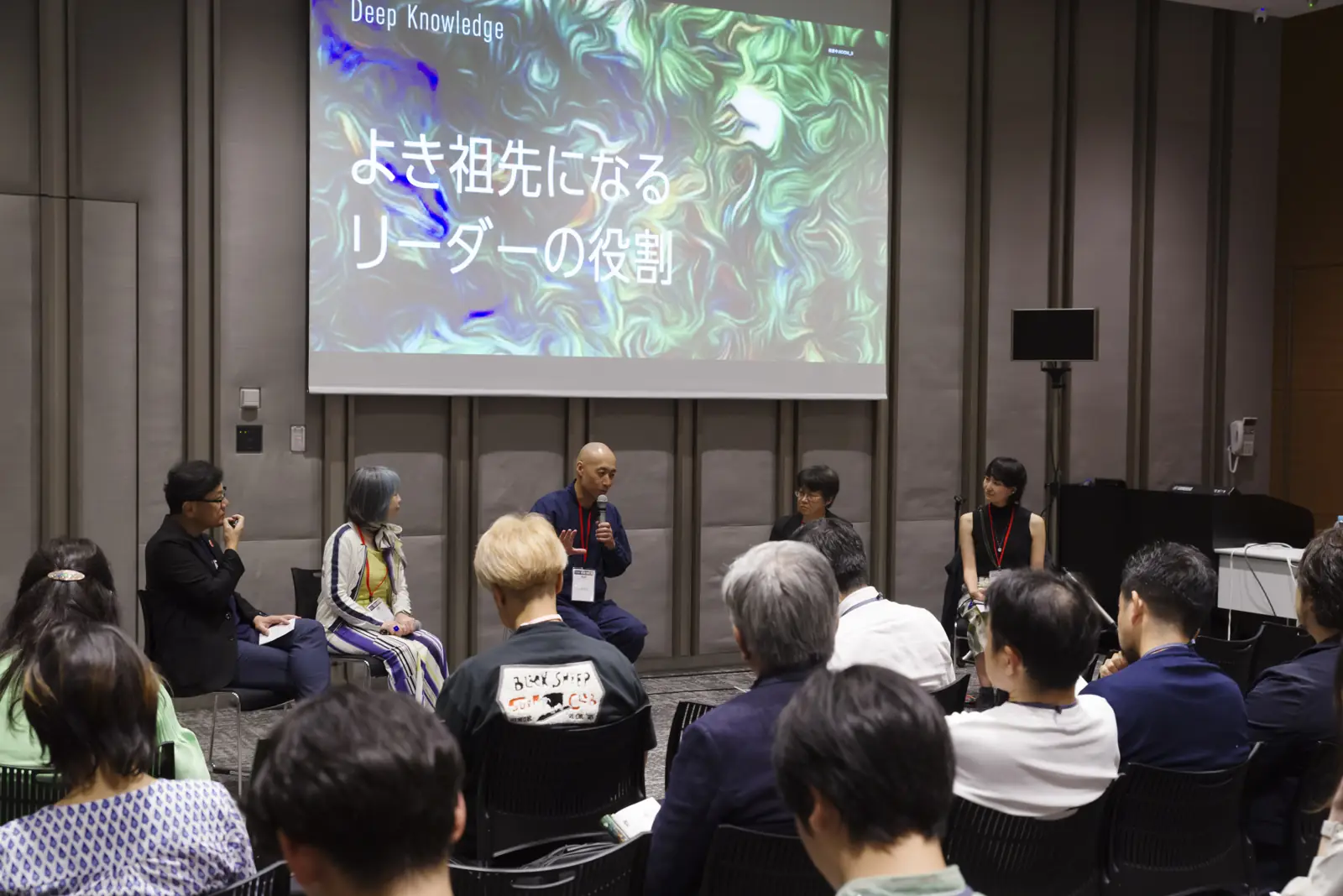
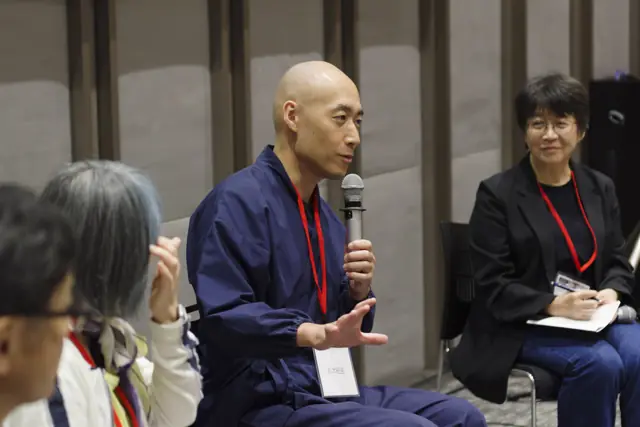
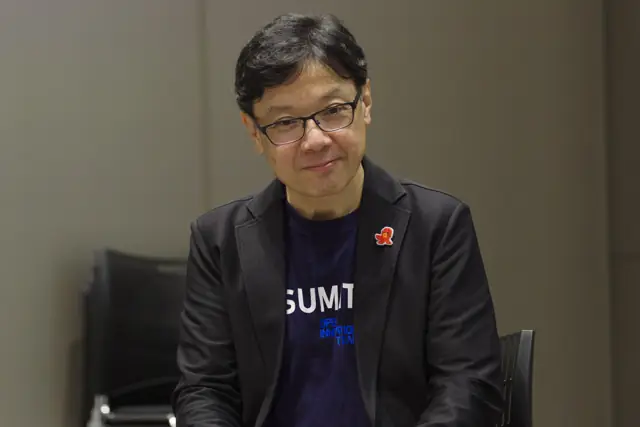
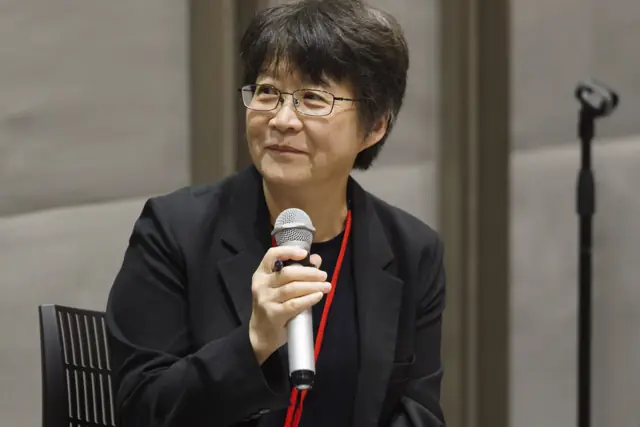
What was discussed
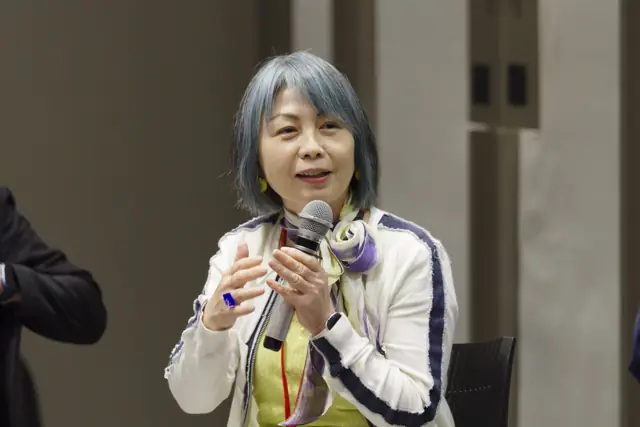
The session discussed what today's leaders should leave and what they should let go of in order to be good ancestors for future generations. An idea of leaving room by reducing what has finished its role, rather than only increasing businesses and systems, was presented, and an anecdote of a predecessor who kept planting trees after retiring was introduced. From a doubt about financial valuation that discounts the future value of the environment and health, the question was raised of how to measure things whose value increases the further into the future they go. A concern was also voiced that longtermism, which prioritizes benefits in the distant future, may overlook present hardship and small local activities.
About this session
What is the leadership we ought to exercise? What does responsible action toward future generations look like, precisely because this is the age of AI? We read the path to becoming good ancestors from the intersection of frontier AI ethics and Buddhist philosophy, in a corporate context.
Speakers
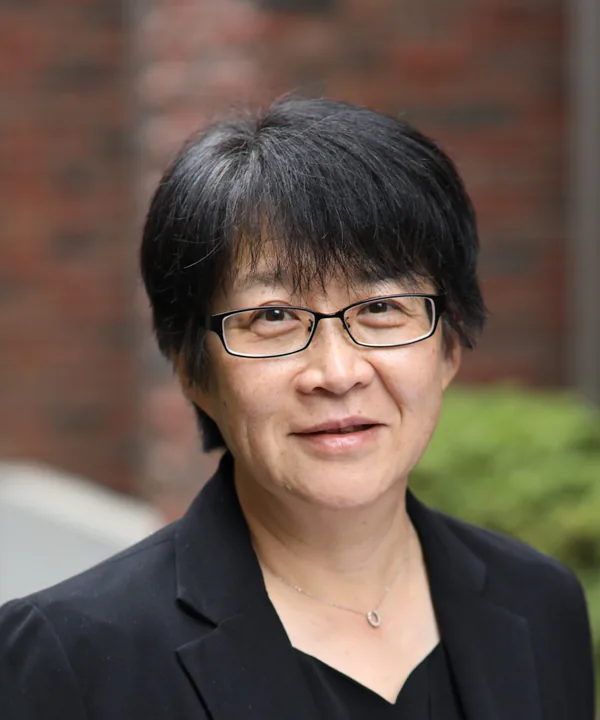
Ayano Hirose
Rikkyo University Dean and Associate Professor, College of Business
She graduated from the Faculty of Law at Nagoya University and worked on overseas business at NEC. At the Graduate School of International Corporate Strategy at Hitotsubashi University — now Hitotsubashi Business School — she studied under Professor Emeritus Ikujiro Nonaka, taking her MBA in 2005 and her DBA in 2011. After serving there as a project lecturer she moved to the College of Business at Rikkyo University in April 2016. Her fields are management strategy grounded in the theory of knowledge creation, leadership and social innovation. She also lectures at GRIPS and serves as a director of the Knowledge Management Society of Japan and head of its research group on knowledge innovation in practice. Her co-authored books include Social Innovation in Practice, Organisations That Create Innovation, and an illustrated guide to knowledge creation.
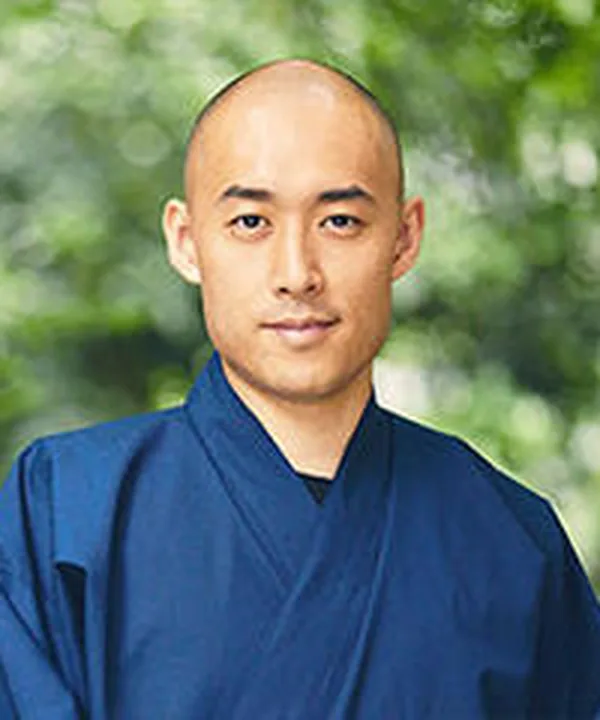
Shoukei Matsumoto
Faculty of Well-being, Musashino University Professor
After reading philosophy at the University of Tokyo he became a priest at Komyoji, a temple of the Jodo Shinshu Hongwanji school, and took an MBA at the Indian School of Business. As co-founder of a non-sectarian learning programme for priests he supports temple management and priestly education. He is now a professor in the Faculty of Well-being at Musashino University, researching Buddhist thought, AI, transhumanism and ethics after the Anthropocene, and writing on leadership and intergenerational responsibility from the standpoint of becoming a good ancestor.
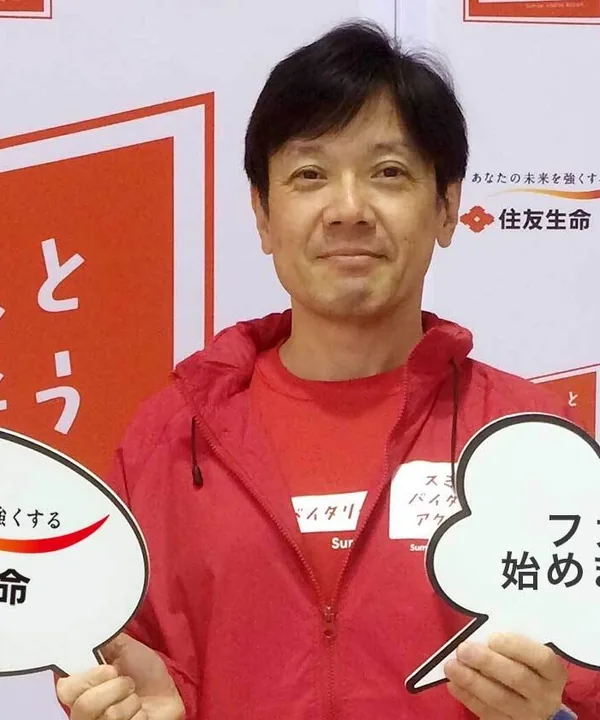
Hiroki Fujimoto
Sumitomo Life Insurance Managing Executive Officer / Co-Representative Director, WE AT
He graduated in economics from the University of Tokyo in 1988 and joined Sumitomo Life Insurance. After a secondment to the Ministry of International Trade and Industry he led brand communications. In 2019 he founded the company's new business planning department and in 2020 drove the establishment of its corporate venture fund. In 2024 he founded WE AT, which supports social entrepreneurs and startups in well-being together with universities and companies, and became its co-representative director. As of 2026 he is a Managing Executive Officer of Sumitomo Life.
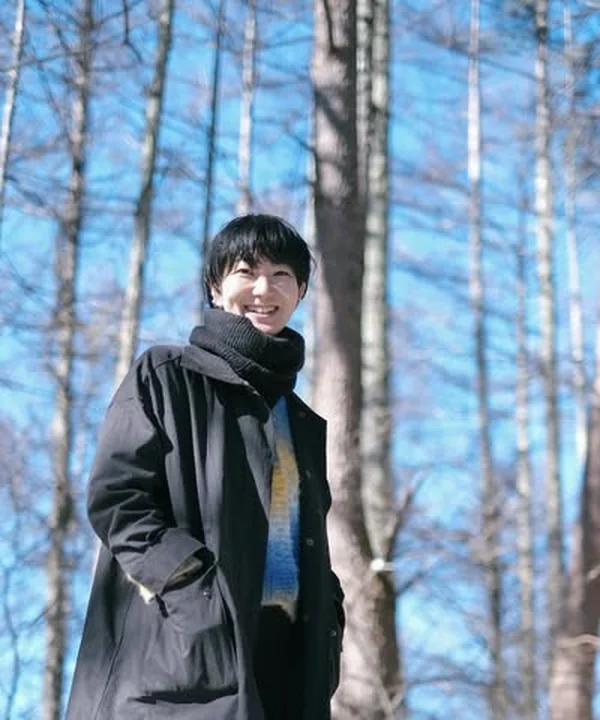
Teruyoshi Sumiya
ModeratorPnika Design Researcher
From Higashimurayama, Tokyo. He served with the Japan Overseas Cooperation Volunteers and worked on open innovation at a nonprofit. At Keio University's Graduate School of System Design and Management he researched multi-stakeholder rulemaking and earned a master's degree. He went on to advance agile governance — an open, self-organising form of governance — through his own organisation and at the World Economic Forum Centre for the Fourth Industrial Revolution Japan. Since encountering the anthropologist Arturo Escobar's idea of the pluriverse, he has explored new ways of relating to nature and plural forms of governance, with care and multispecies thinking as his keywords.
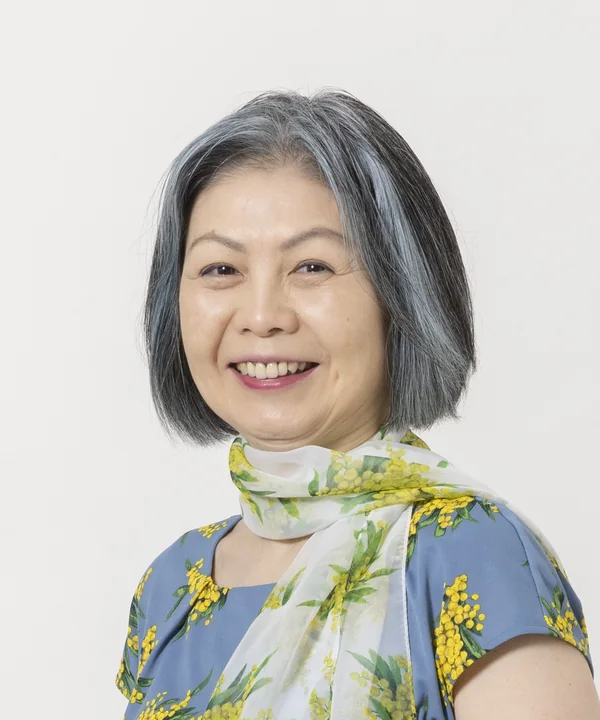
Noyuri Mima
Future University Hakodate Professor (Professor Emerita from April 2026)
Born in 1960. A researcher in educational technology. She helped draw up the founding plans for both Future University Hakodate and the National Museum of Emerging Science and Innovation, serving as a professor at the university and as deputy director of the museum from 2003 to 2006. She is a visiting professor at the Interfaculty Initiative in Information Studies, University of Tokyo, and a member of the Science Council of Japan. Her fields are learning environment design, science education, museums and project-based learning, and she has written several books on living and creating in the age of artificial intelligence.
Watch the recording
The recording of this session, with subtitles and a summary, is part of the archive. One purchase covers all 33 sessions with no viewing deadline. Purchase and viewing are in Japanese.