
Crossing Borders: Outcomes
What was discussed
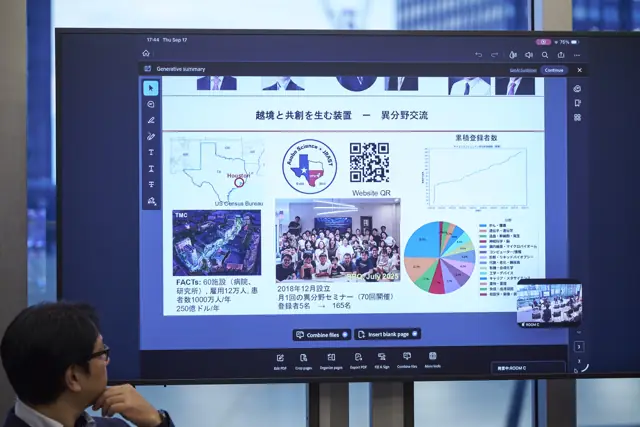
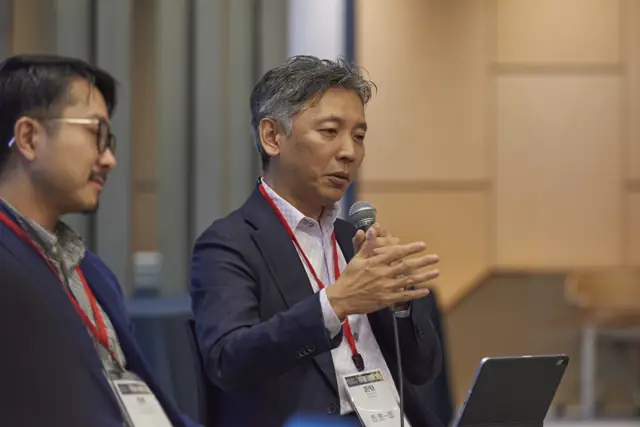
The session discussed how to combine the roles of research and development and contracts in order to turn collaboration with overseas universities into business results. It introduced university mechanisms that support everything from intellectual property to startups and the acquisition of government funding. It also explained that costs and indirect costs differ by form, from donations with no obligation to submit data to high-value contracts in which the data belongs to the company. Along with the US practice of placing a university-originated company in the development stage, the conflict between paper publication and confidentiality obligations and the differences in evaluation indicators among universities, companies, and government were discussed.
About this session
The results of crossing over. There are encounters; relationships can be built. And still, much co-creation stops at proof of concept and never reaches organisational change or new business. Researchers, companies, investors, institutions — how do we connect differing horizons of time and criteria of evaluation? So that crossing over becomes result. This session is held as part of a series on three aspects of crossing over, connecting Japanese researchers active overseas with industry in Japan.
Speakers
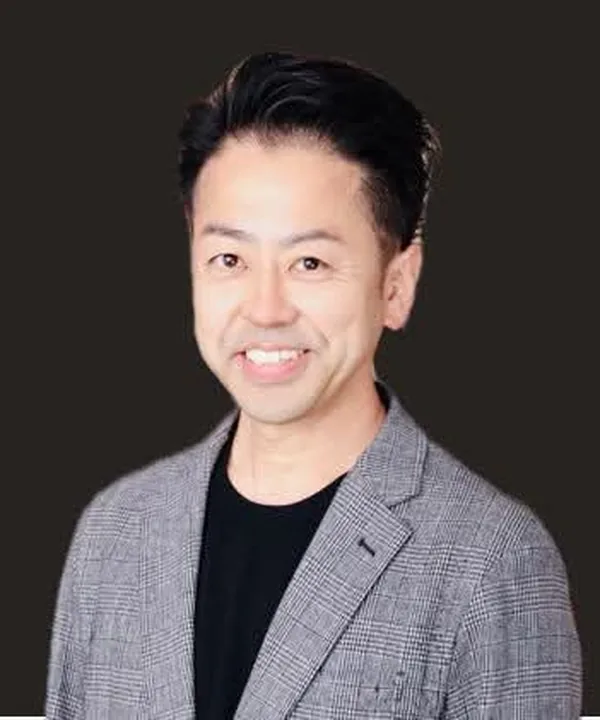
Hideo Miura
ModeratorCross-Border Leadership Association Representative Director
Representative Director of the Cross-Border Leadership Association. He researches and supports a form of leadership in which individuals inside companies and other organisations start from their own sense of a problem, cross the boundaries of organisation, business domain and country, and work on social problems through co-creation with other fields. His work spans applied research with universities, behavioural studies, corporate new-business programmes, running communities of practice and designing systems for developing people.
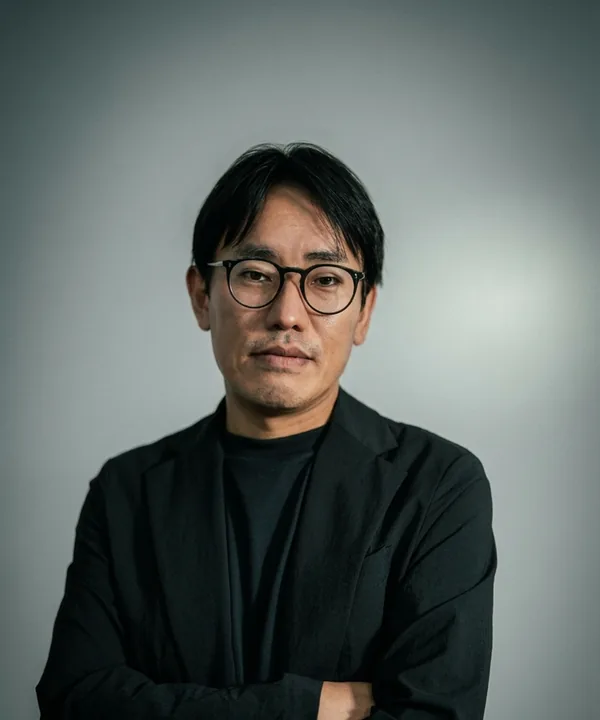
Naoto Mizuguchi
Cyber Defense Institute President and Representative Director
He spent more than twenty-three years at NEC, working on business development and management in Japan, Brazil and the United States. At NEC Brazil he served as interim CEO and CFO and as COO of its cybersecurity business. At NEC X in the United States he was director of strategy and business development and CFO, working on startup creation and corporate venture partnerships. In 2026 he became Representative Director of the Cyber Defense Institute.
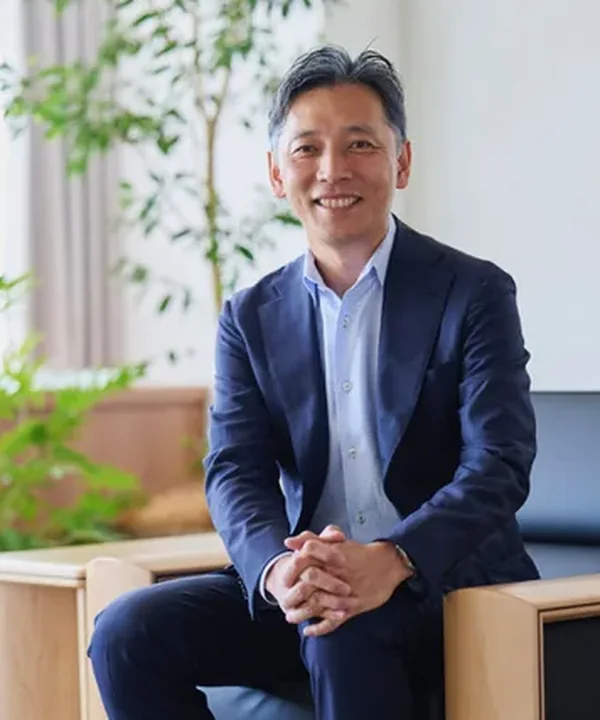
Keiichiro Nishi
Fujitsu Limited Corporate Executive Officer, SEVP and CSO
He joined Mitsubishi Corporation in 2000 and worked in its machinery group. He then moved to Globis, where he served as executive director of its Chinese subsidiary and as head of its corporate business. He joined Fujitsu in 2023 and served successively as co-head and then head of the CEO office. In April 2026 he became Corporate Executive Officer and Chief Strategy Officer, with responsibility for the company's CEO office and for strategic growth and investment.
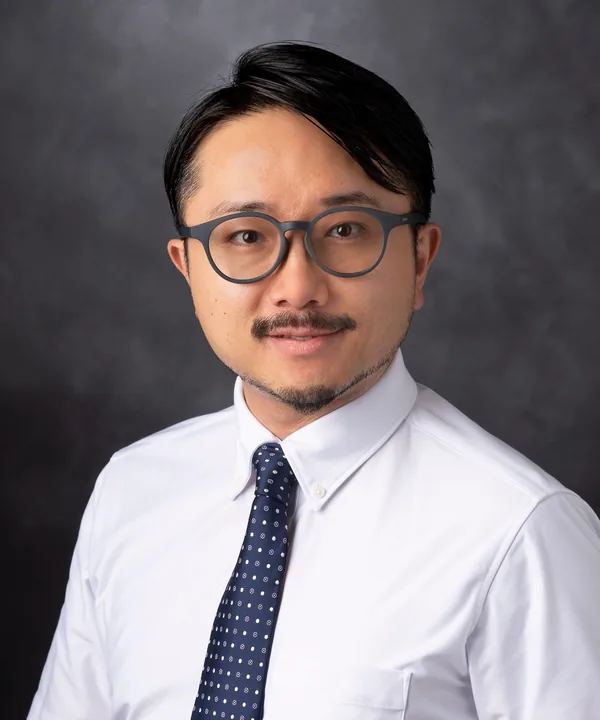
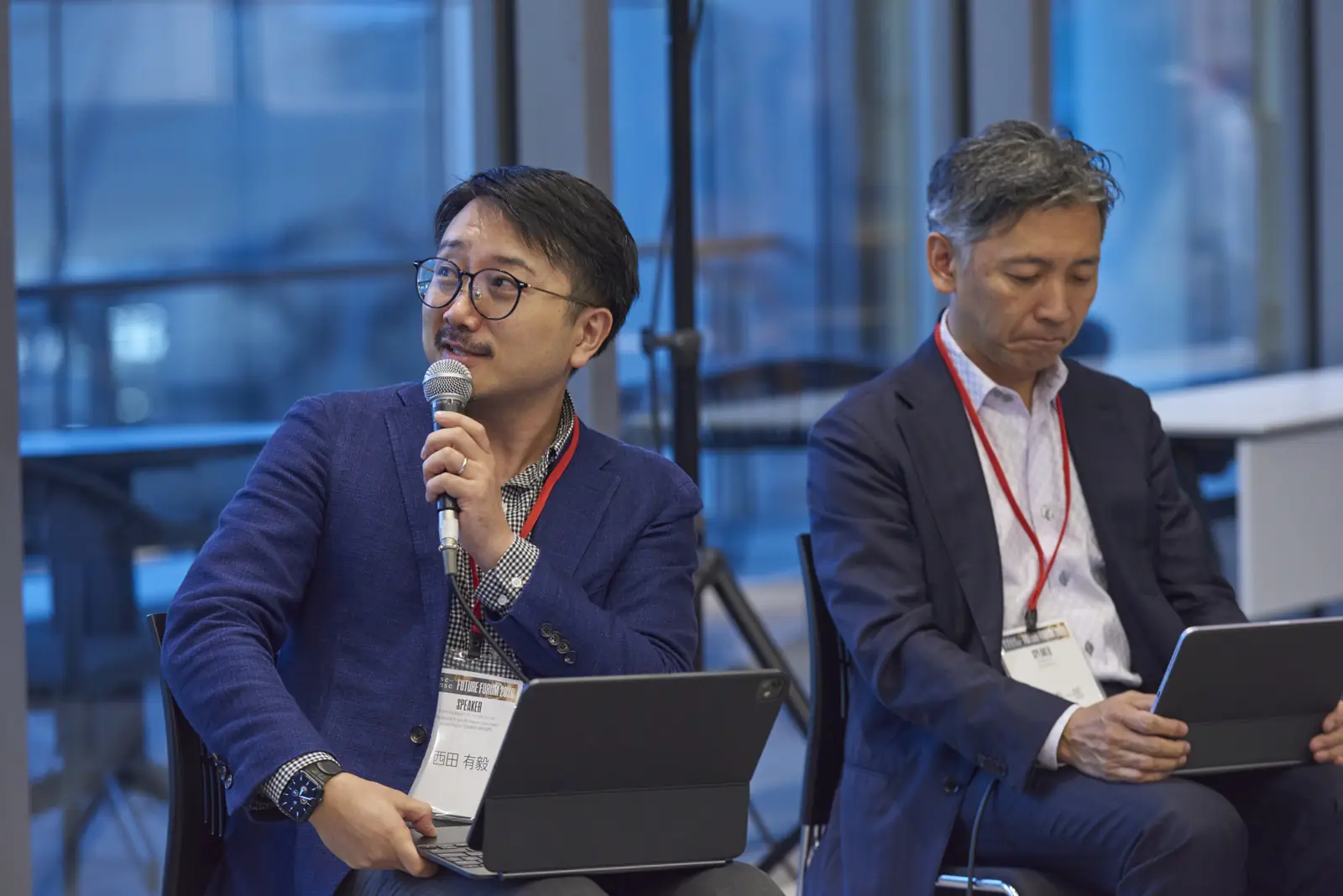
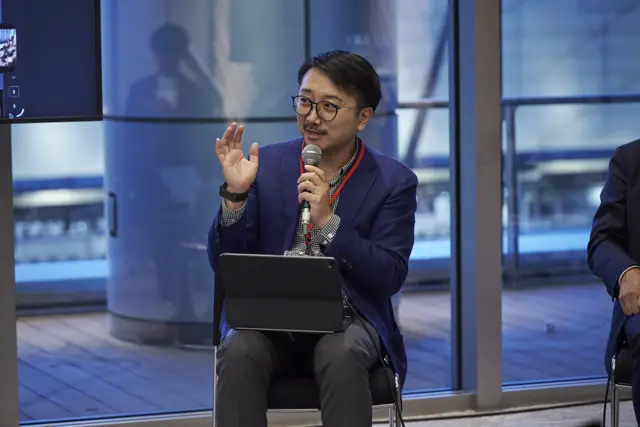
Yuki Nishida
The University of Texas MD Anderson Cancer Center Assistant Professor, Department of Leukemia (research)
He took his MD at Kyushu University in 2007 and, after clinical training in medical oncology and haematology, his PhD in medical science at Saga University in 2017. That year he joined the Department of Leukemia at MD Anderson Cancer Center as a postdoctoral fellow, became an Instructor in 2022 and is now an Assistant Professor. Working chiefly on acute myeloid leukaemia, he researches leukaemia stem cells, treatment resistance associated with TP53 and MYC, and molecularly targeted therapy.
Watch the recording
The recording of this session, with subtitles and a summary, is part of the archive. One purchase covers all 33 sessions with no viewing deadline. Purchase and viewing are in Japanese.