
From research grants to systemic change — the future of corporate foundations
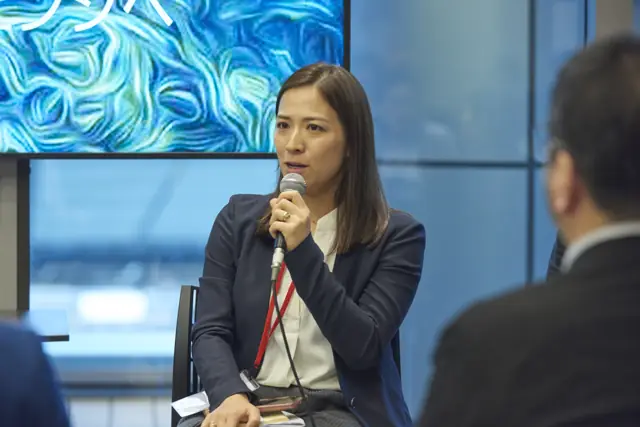
What was discussed
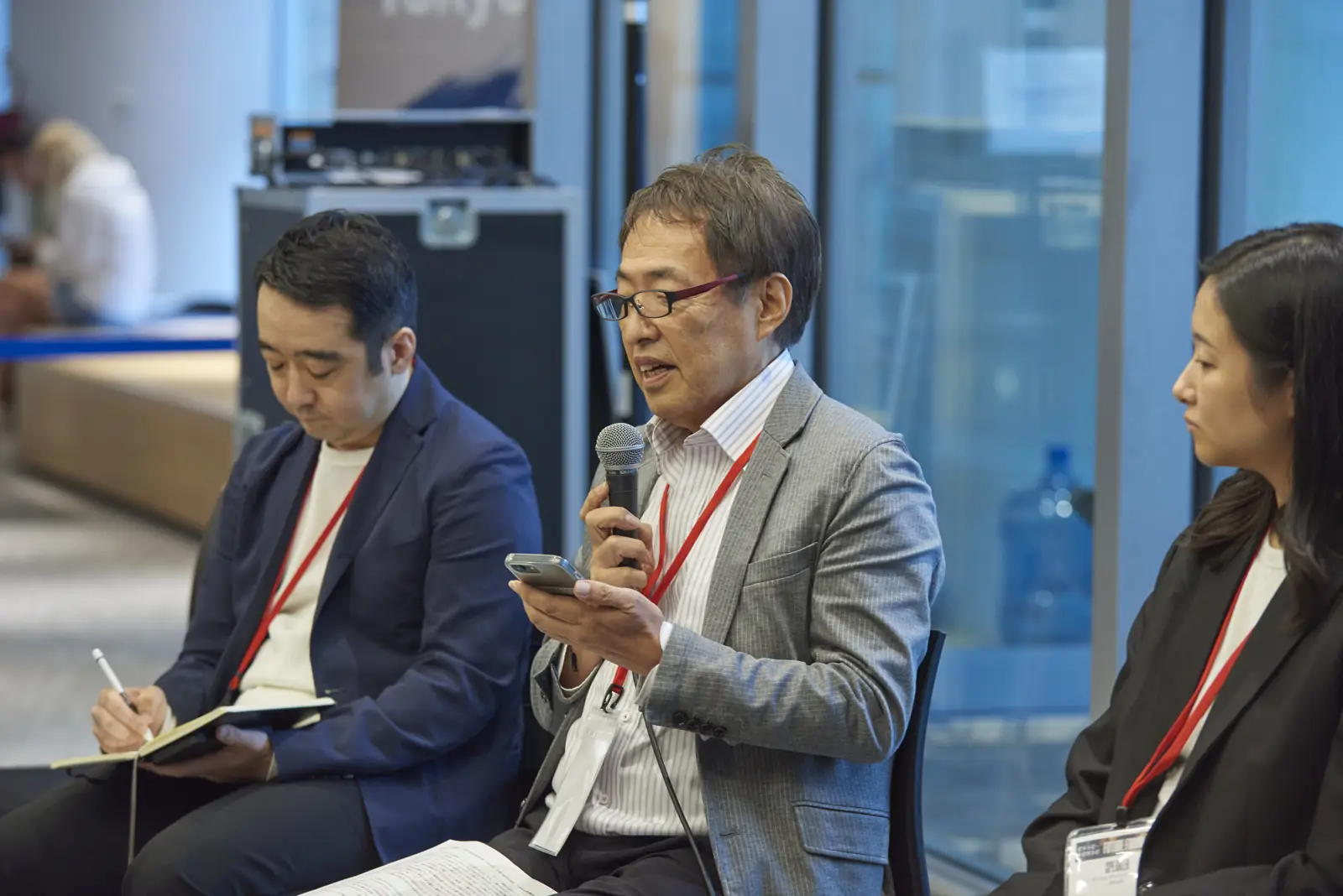
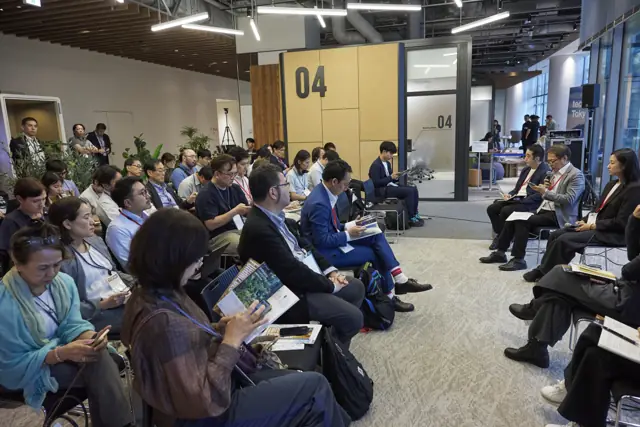
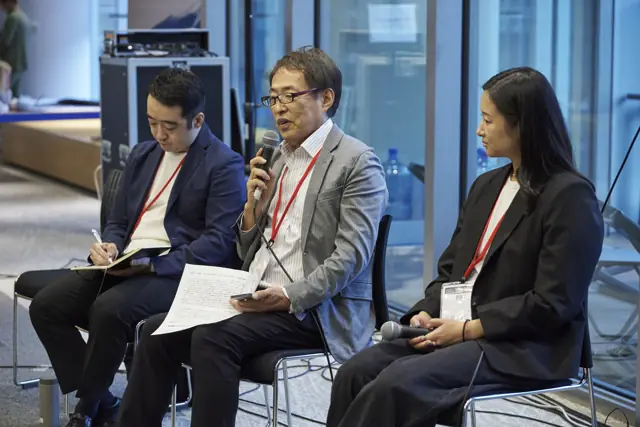
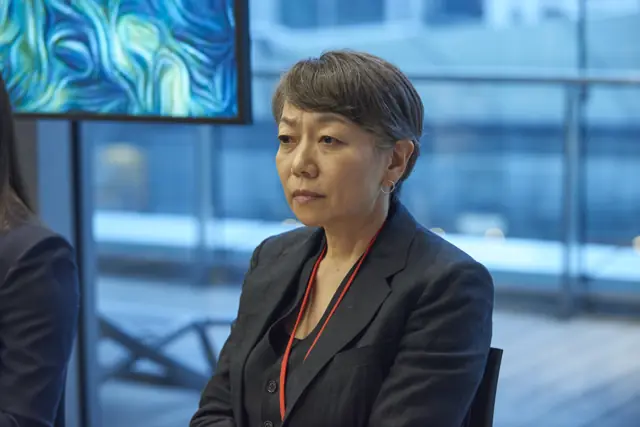
The session discussed whether research grants from corporate foundations can support changes in the research environment beyond providing funds. It introduced support that gives funds to basic research regardless of results, and a program with an application age of 46 to under 65 aimed at a group that tends to fall outside young-researcher support. Exchange among researchers across fields and small grants that support exploration before hypotheses are formed were also taken up. A way of providing funds that increases freedom of use, premised on trust in the field, and combines long-term support with a lighter paperwork burden was discussed.
About this session
Is a research grant really the only way to support a researcher? Drawing on the results of a study group built up together with the Suntory Foundation for Life Sciences, this session examines support for the research environment — support that genuinely serves researchers — from the standpoint of structural change. We open a space for discussion not only for researchers but for the many people who want to make the world of research better.
Speakers
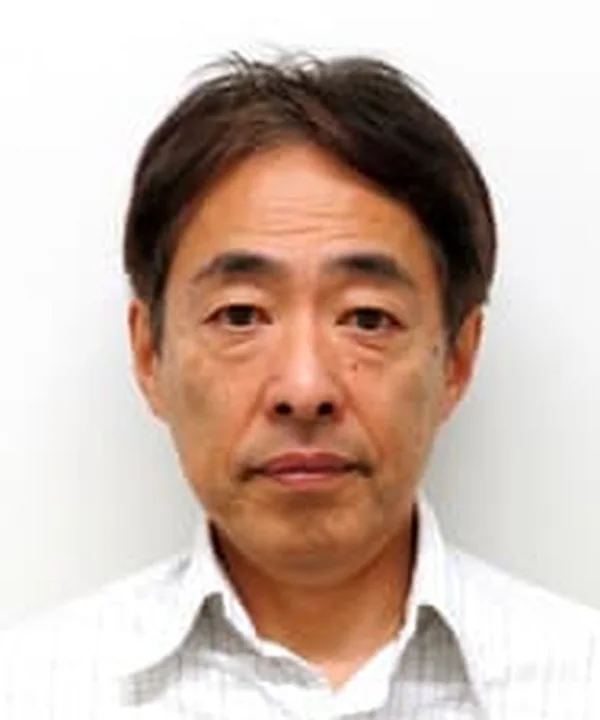
Masaaki Uchida
Suntory Foundation for Life Sciences Special Director, Secretariat
He completed a master's program at the Graduate School of Engineering, Kyoto University, and joined Suntory Limited. He holds a doctorate in engineering. He was engaged in new product development, fundamental research and technology development on beer brewing science and taste science, and manufacturing management at beer and food factories. Since 2019 he has worked at the Suntory Foundation for Life Sciences, and he currently promotes activities to invigorate basic research in Japan through the Suntory's SunRiSE program supporting life science researchers.
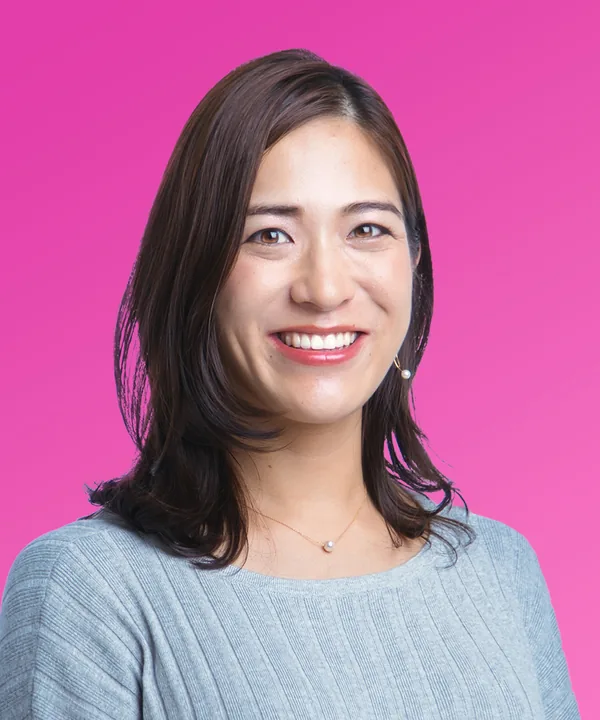
Mariko Kita
Stellar Science Foundation Co-Founder and Operating Director
She builds the machinery that supports researchers. After graduating in economics from Keio University she spent ten years at Mitsubishi Corporation, including a posting in Brazil, took an MBA at the National University of Singapore, and worked in the Singapore office of Boston Consulting Group before co-founding the Stellar Science Foundation in December 2021. The foundation funds research and develops the next generation of researchers, assembling the route by which money from companies and individuals reaches the laboratory. She grew up in a researcher's household, spending her early years in laboratories in Japan and the United States — which is what moved her to the supporting side.
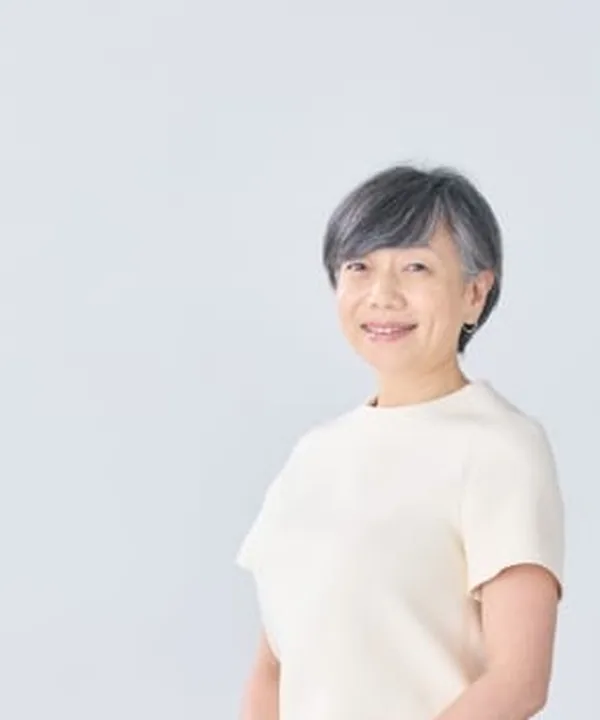
Toshiko Fujita
Philanthropy Advisors Inc. Representative Director / Senior Philanthropy Advisor
A philanthropy advisor. She spent more than twenty years in the private banking and wealth management divisions of Citigroup, UBS and Credit Suisse, working on asset management and product development for high-net-worth individuals. She then worked in Yamaguchi Prefecture on regional revitalisation, marketing support for a type-B employment facility for people with disabilities, and the running of children's cafeterias and community spaces, founding an NPO and taking it through certification. At the Japan Social Innovation and Investment Foundation (SIIF) she launched new philanthropy programmes and worked on support for social entrepreneurs, impact measurement and management, and foundation management.
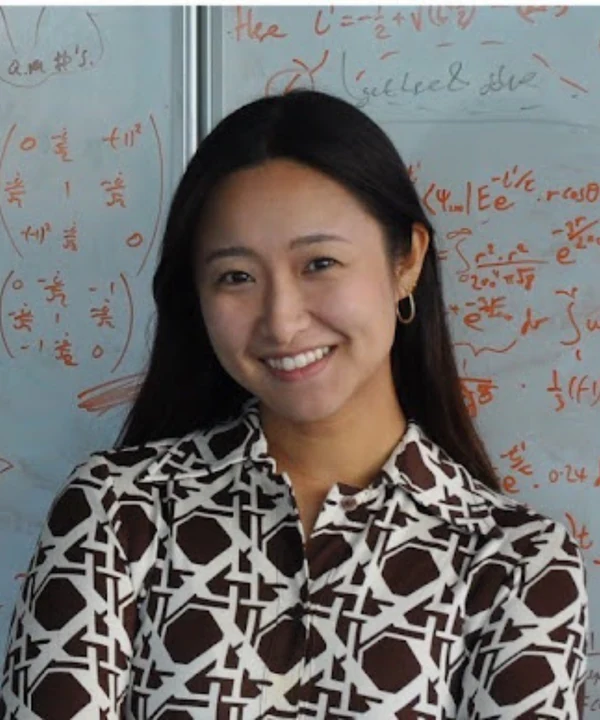
Shion Kubota
ZERO INSTITUTE, Tohoku University Visiting Associate Professor
Born in 1997, Shion Kubota holds a bachelor's degree in physics and philosophy from Mount Holyoke College and a doctorate in physics from Harvard University. A particle physicist, she is a fellow at Lawrence Berkeley National Laboratory in the United States, working on detector development and data analysis for DUNE, the next-generation neutrino experiment. Her work covers electronics that operate at cryogenic temperatures approaching minus 180 degrees Celsius and new charge-readout technologies. Alongside her post as Visiting Associate Professor at Tohoku University's ZERO INSTITUTE, she serves as a director of the Japan Science Foundation for the Future and devotes considerable effort to science communication through lectures and writing. She was named to MIT Technology Review's Innovators Under 35 Japan in 2024 and to Forbes Asia's 30 Under 30 in 2025.
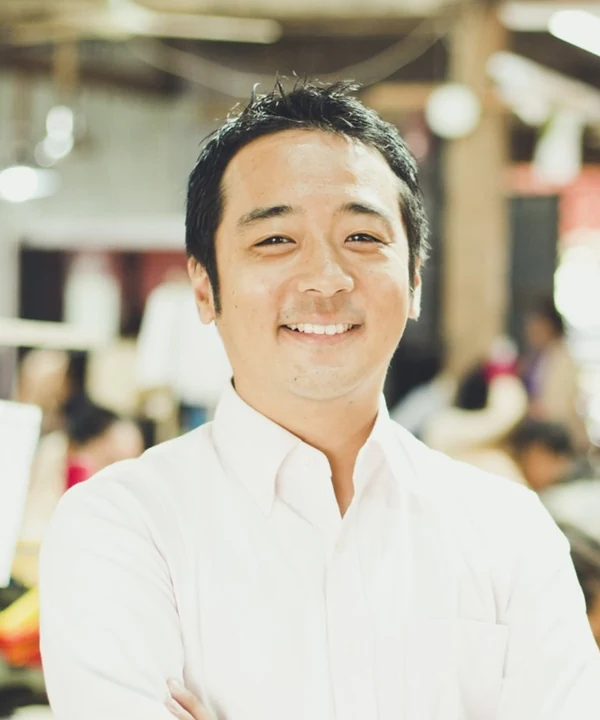
Kenta Aoki
Trust-Based Philanthropy Japan Co-Executive Director
In 2002, while still a student at the University of Tokyo, Kenta Aoki co-founded the Kamonohashi Project — an NPO working to eliminate child trafficking — with two friends. He moved to Cambodia in 2009 to work on social business and education. In 2018, as Kamonohashi withdrew from Cambodia, he established SALASUSU to take on reform of the country's public education and the training of its teachers. Since 2022 he has concurrently served as chair of the Kamonohashi Project. He founded Trust-Based Philanthropy Japan in 2025 and became Co-Executive Director when the organisation moved to a co-leadership structure in April 2026. His work reconsiders the relationship between those who give funds and those who receive them, and seeks to spread trust-based funding across Japan.
Yuya Nishimura
Moderatoresse-sense Inc. Representative Director
Born in Ikeda, Osaka, in 1981. After a master's in human sciences at Osaka University he worked at a human development venture and at the Japan Productivity Center, and founded the NPO Miratuku in 2011. He supports the building of innovation infrastructure across fields and roles, business creation inside companies, R&D projects, and the search for future visions and currents. In 2021 he founded esse-sense Inc., which runs esse-sense, connecting research knowledge with society.
Watch the recording
The recording of this session, with subtitles and a summary, is part of the archive. One purchase covers all 33 sessions with no viewing deadline. Purchase and viewing are in Japanese.