
An innovation lab that produces serendipity
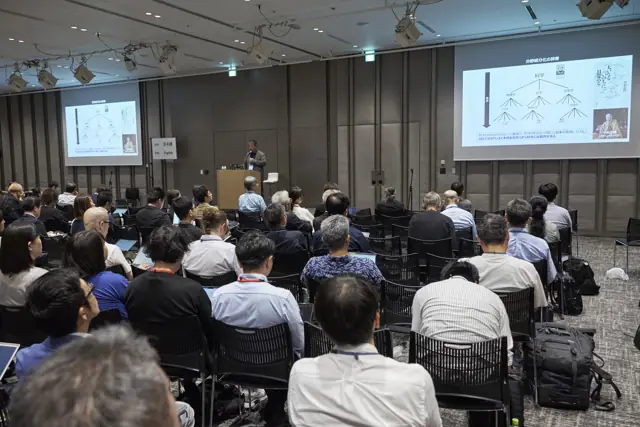
What was discussed
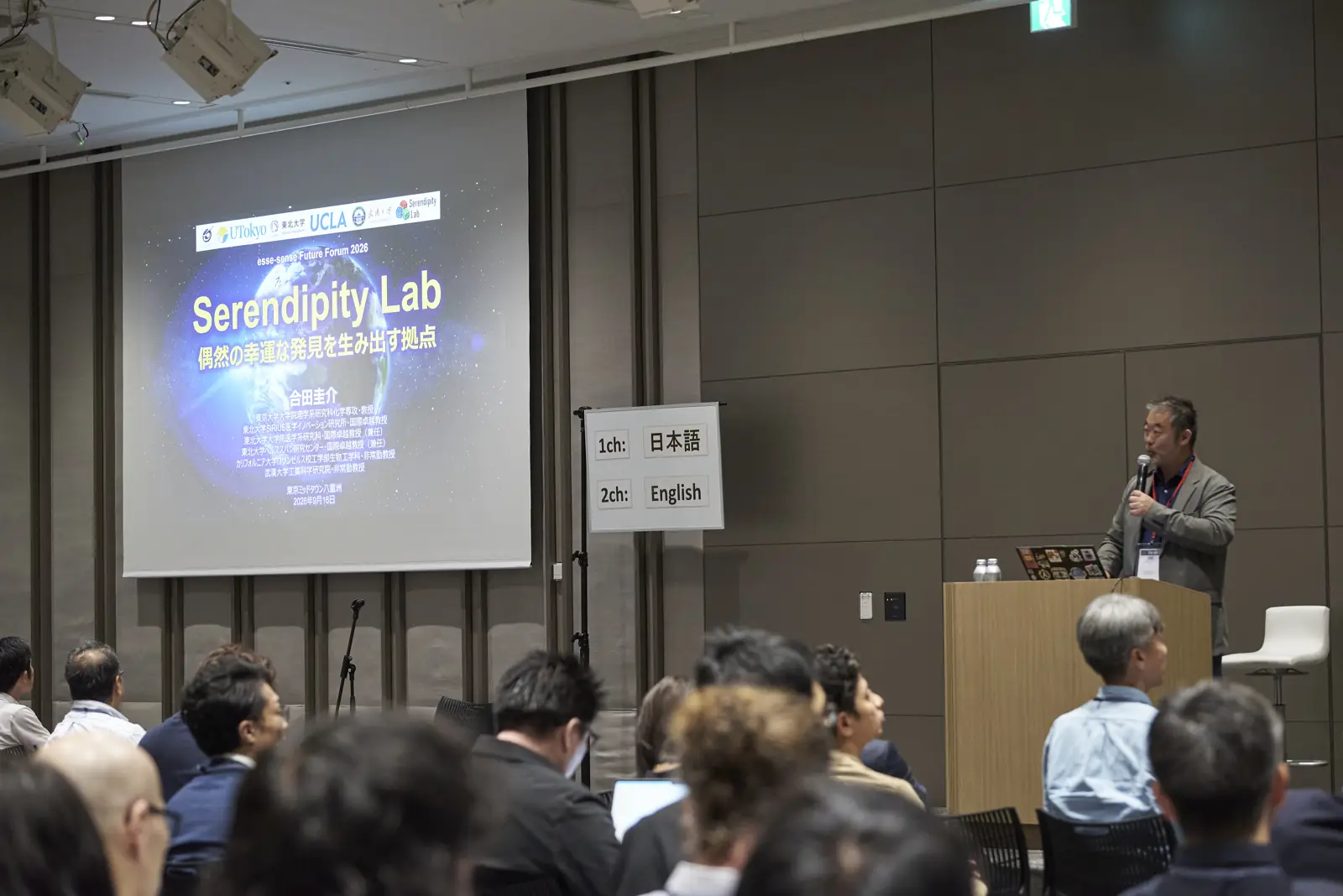
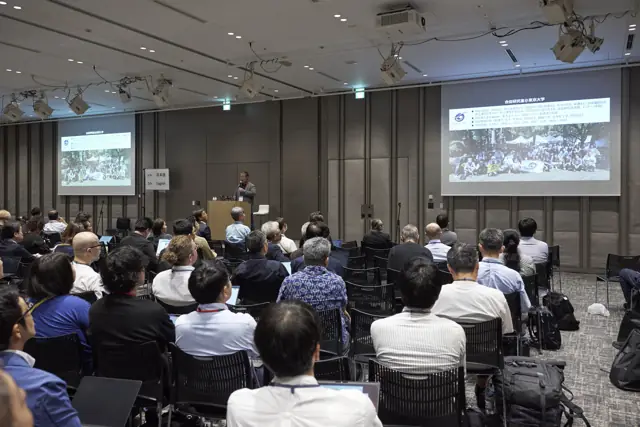
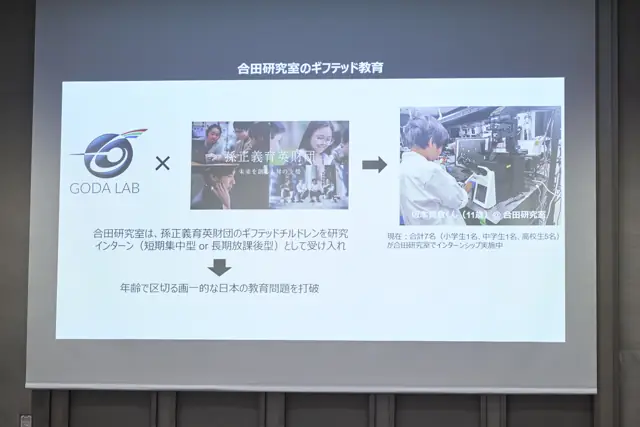
The session discussed how to connect research fields separated by specialization and how to create an environment that produces chance discoveries. It introduced a research university with no faculties or departments and a private foundation that supports researchers rather than fields, and discussed what interdisciplinary research looks like when it is hard to support with siloed funding. Following the concept of a serendipity lab spanning the life sciences and medicine, it presented animal experiments on Super EVs, which modify extracellular vesicles to increase delivery efficiency to senescent cells, and a policy of investigating efficacy and safety in humans.
About this session
The X Prize is a race in which some 800 of the sharpest teams from around the world compete for 16 billion yen in prize money. The Japanese team that reached the world's top eight and won 160 million yen in interim prize money is led by Keisuke Goda of the University of Tokyo and Tohoku University, who speaks in this session. Alongside the story of Serendipity Lab — an international consortium realising the fusion of biology and chemistry — he presents a new equation for creating innovation.
Speakers
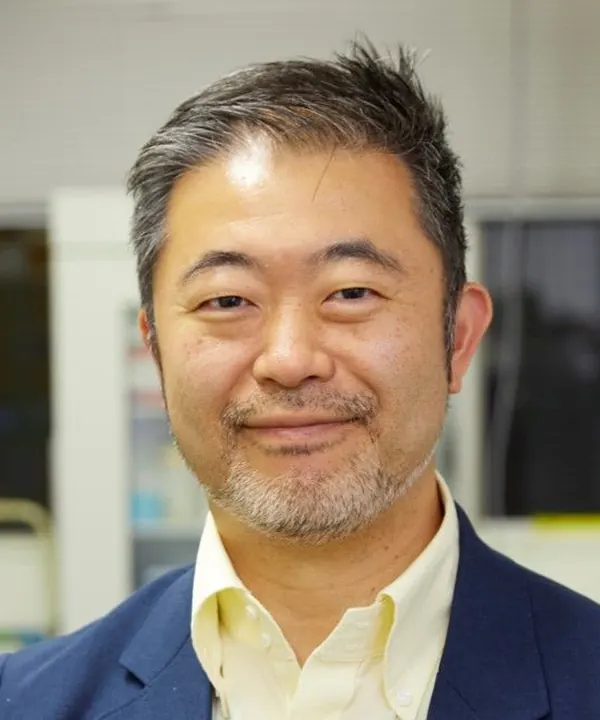
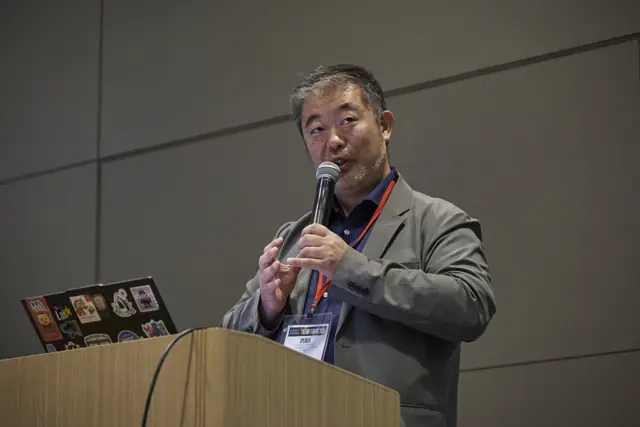
Keisuke Goda
The University of Tokyo / Tohoku University Professor, Graduate School of Science, The University of Tokyo / International Distinguished Professor, Institute for Medical Innovation, Advanced Institute for Research, Tohoku University
He studied physics at the University of California, Berkeley and took his PhD in physics at MIT. After working on quantum enhancement of gravitational-wave detectors at LIGO, he worked on optical imaging, laser spectroscopy, biomedical engineering and microfluidics at UCLA. He has been a professor at the Graduate School of Science, the University of Tokyo, since 2012. Combining quantum optics, nanotechnology, microfluidic chemistry and data science, he develops techniques for molecular imaging, spectroscopic measurement and for making serendipity more likely. He is concurrently an International Distinguished Professor at Tohoku University.
Watch the recording
The recording of this session, with subtitles and a summary, is part of the archive. One purchase covers all 33 sessions with no viewing deadline. Purchase and viewing are in Japanese.