
How informal encounters make a city creative
What was discussed
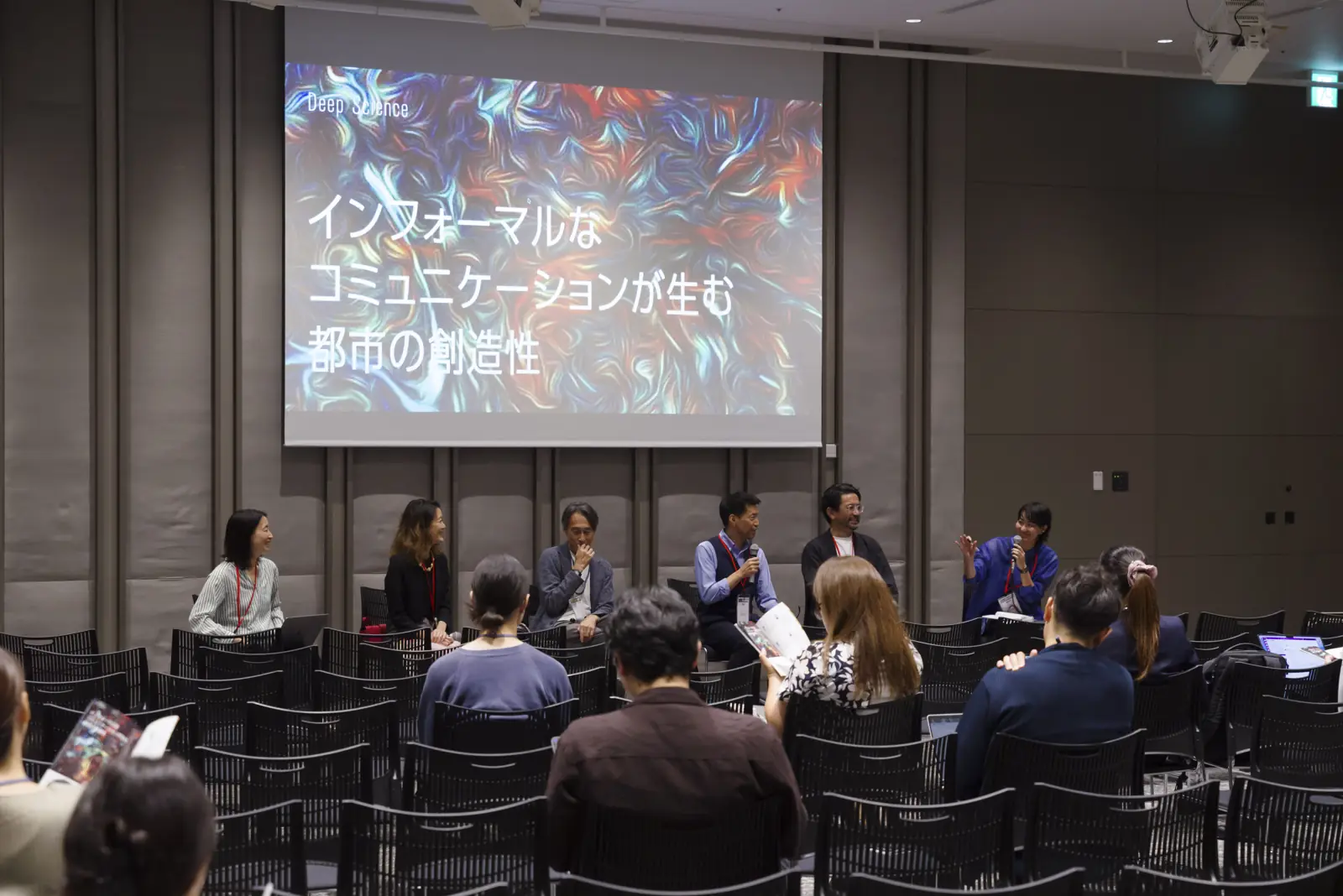
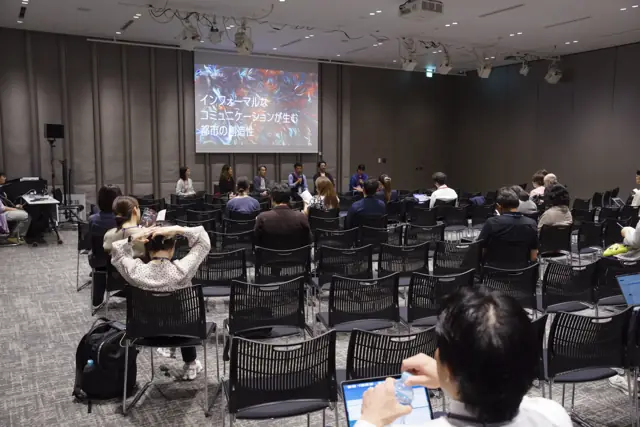
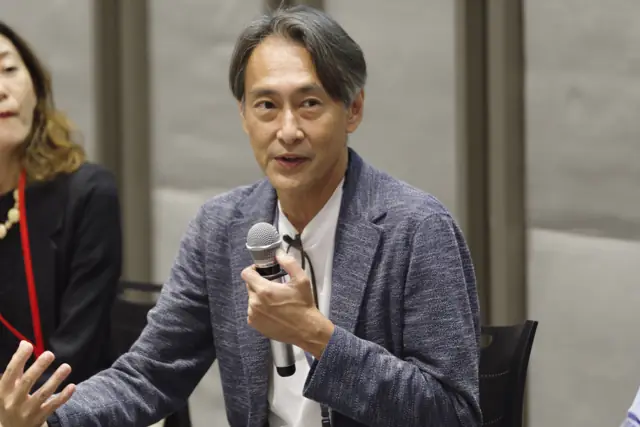
The session discussed how to leave room for residents themselves, not only city users, to make the city. Examples were introduced from urban areas in Africa where residents take charge of road maintenance and land management even without government involvement or legal registration. In Japanese shopping streets and gathering places, loose relationships in which people merely see each other daily without exchanging words were also said to lead to a sense of belonging. From the concern that over-arranging through systems and design causes spontaneity to be lost, an attitude of trusting residents and deliberately leaving room by not over-designing was discussed.
About this session
What can we create to make life in the city richer? From the intersection of urban design and academic research, we sketch measures for making daily life itself better. As another view onto the connection between academia and industry, we read living and the city through communication.
Speakers
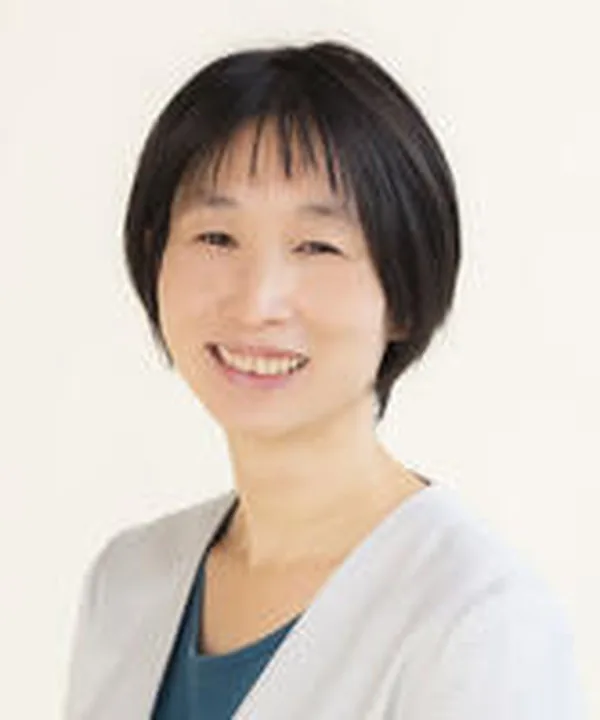
Haruka Ono
Toyohashi University of Technology Associate Professor, Department of Architecture and Civil Engineering
Her fields are architectural and urban planning. In African cities such as Nairobi, Dakar and Kigali, as well as in India and across Japan, she studies how spatially, socially and economically rich environments take shape in the informal settlements of rapidly urbanising areas. She also works on methods for observing how people move through and linger in outdoor public space, and received the Jusoken Award for Research and Practice in 2024.
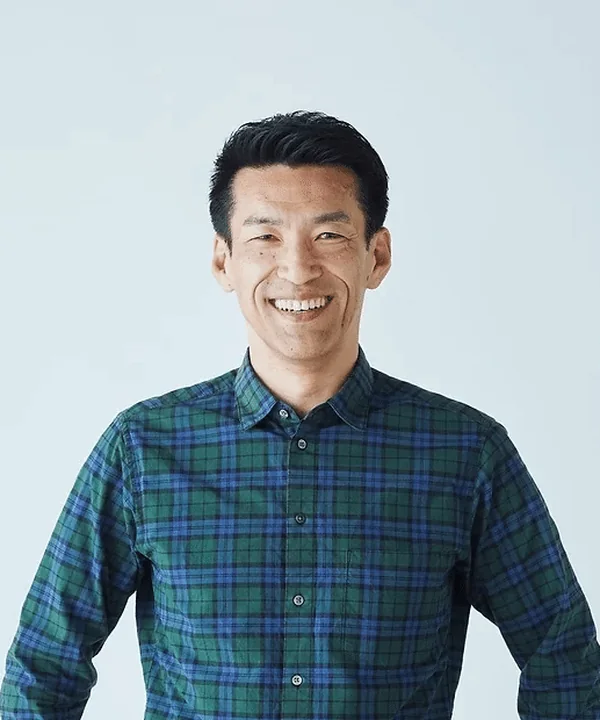
Mitsuhiro Yamazaki
Green Cities, Inc. Founder
Born in 1975. He moved to the United States in 1995 and took his bachelor's and master's degrees at the University of Southern Mississippi, majoring in international relations and regional economic development; while on exchange at the University of Yucatán he studied Spanish and anthropological archaeology. After working at a construction firm, a consultancy and an economic development agency in the United States, he spent six years from 2012 at the Portland Development Commission as business and industry development manager and international business development officer. He went independent in Portland in June 2017, founding what is now Green Cities, Inc. Through his books on Portland he brings the practice of compact city-making and sustainable urban management to cities across Japan.
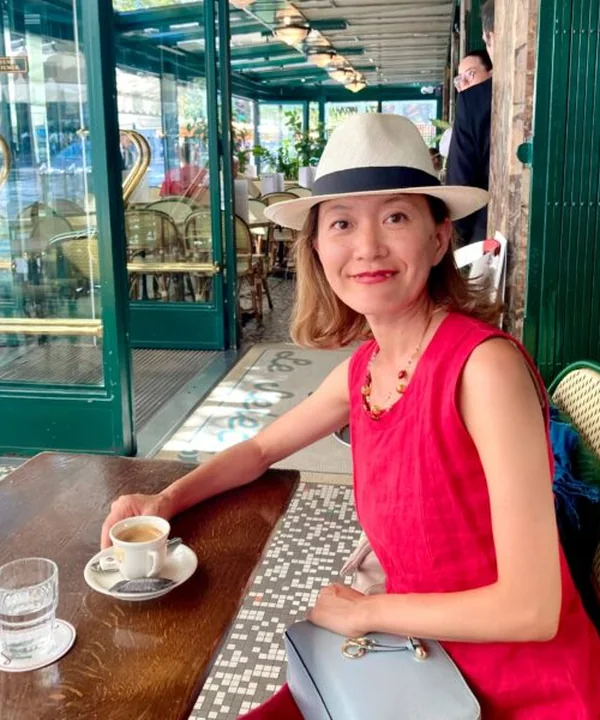
Miki Iida
Researcher on café culture and public life
She graduated from the School of Commerce at Waseda University and studied at Sciences Po in Paris as an exchange student. Struck by how the cafés of Paris had served as starting points for social change, she wrote Cafés Make the Age in 2008. Raising a child in a suburban new town, she came to see the absence of places where people meet loosely as the real source of that stifling feeling, and spent more than a decade surveying cities around the world. In 2024 she published the result as Informal Public Life: The Rules of Cities People Are Drawn To, issued by Miratuku and distributed by Eiji Press.
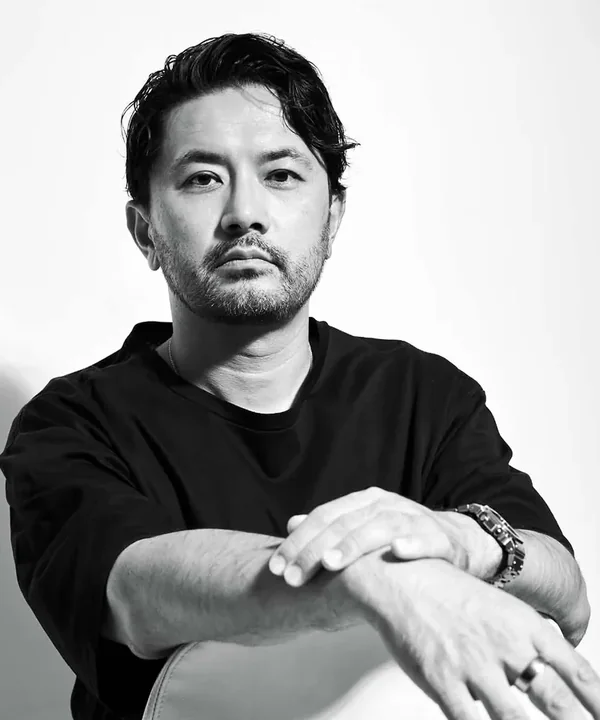
Tetsuji Kuroda
THE COH, Inc. Representative Director and CEO
Born in 1977. After reading architecture at the University of Tokyo he worked at Kengo Kuma and Associates, then joined Toshi Design System (now UDS) where he worked on the planning and development of hotels. At Mori Building he led grand design work, the development of Toranomon Hills and the revitalisation of areas through underused assets. He returned to UDS in 2015 and oversaw projects in Japan and abroad including MUJI HOTEL and Yuen, becoming the company's president in April 2020. Since April 2025 he has been with NOT A HOTEL, serving as representative director and chief executive of NOT A HOTEL CONSULTING. In May 2026 he founded THE COH under the vision of building the final home one would want for oneself.
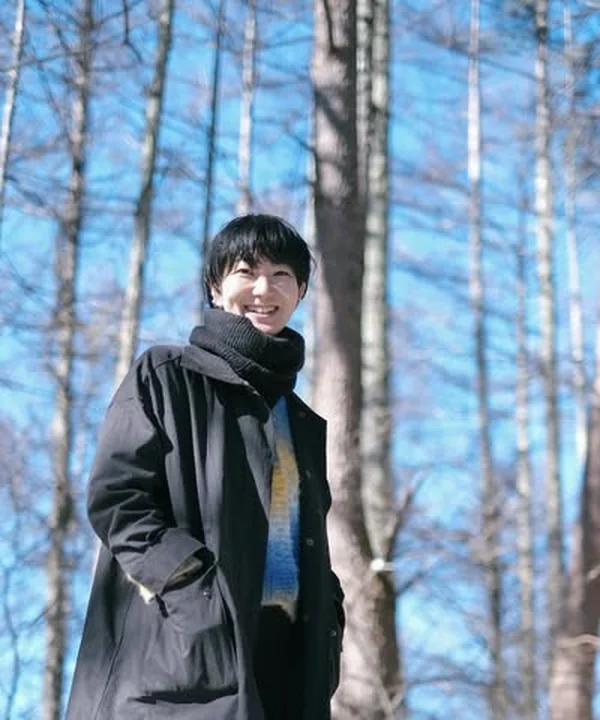
Teruyoshi Sumiya
ModeratorPnika Design Researcher
From Higashimurayama, Tokyo. He served with the Japan Overseas Cooperation Volunteers and worked on open innovation at a nonprofit. At Keio University's Graduate School of System Design and Management he researched multi-stakeholder rulemaking and earned a master's degree. He went on to advance agile governance — an open, self-organising form of governance — through his own organisation and at the World Economic Forum Centre for the Fourth Industrial Revolution Japan. Since encountering the anthropologist Arturo Escobar's idea of the pluriverse, he has explored new ways of relating to nature and plural forms of governance, with care and multispecies thinking as his keywords.
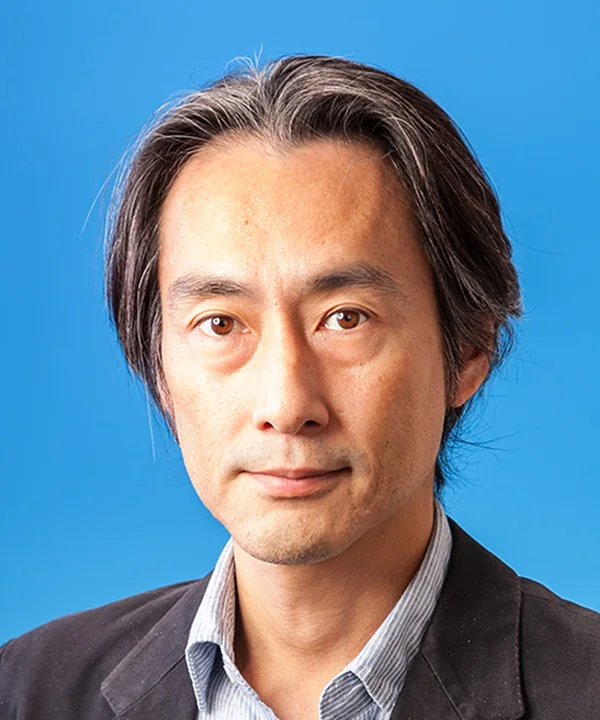
Kyosuke Sakakura
Tokyo City University, Faculty of Urban Life Studies Professor
Born in 1972. He read philosophy at Keio University, worked at Toppan Printing, and then completed a doctorate in media and governance at Keio's Graduate School of Media and Governance. He has been a professor in the Faculty of Urban Life Studies at Tokyo City University since 2023. His field is community management, and he studies community formation and the experience design of workshops through the idea of a platform for collaboration on which varied actors meet and generate connection and activity. He helps run Shiba no Ie and the Neighbourhood Innovation School in Minato Ward and heads Mita no Ie LLP.
Watch the recording
The recording of this session, with subtitles and a summary, is part of the archive. One purchase covers all 33 sessions with no viewing deadline. Purchase and viewing are in Japanese.