
Embodied knowing and sensibility
What was discussed
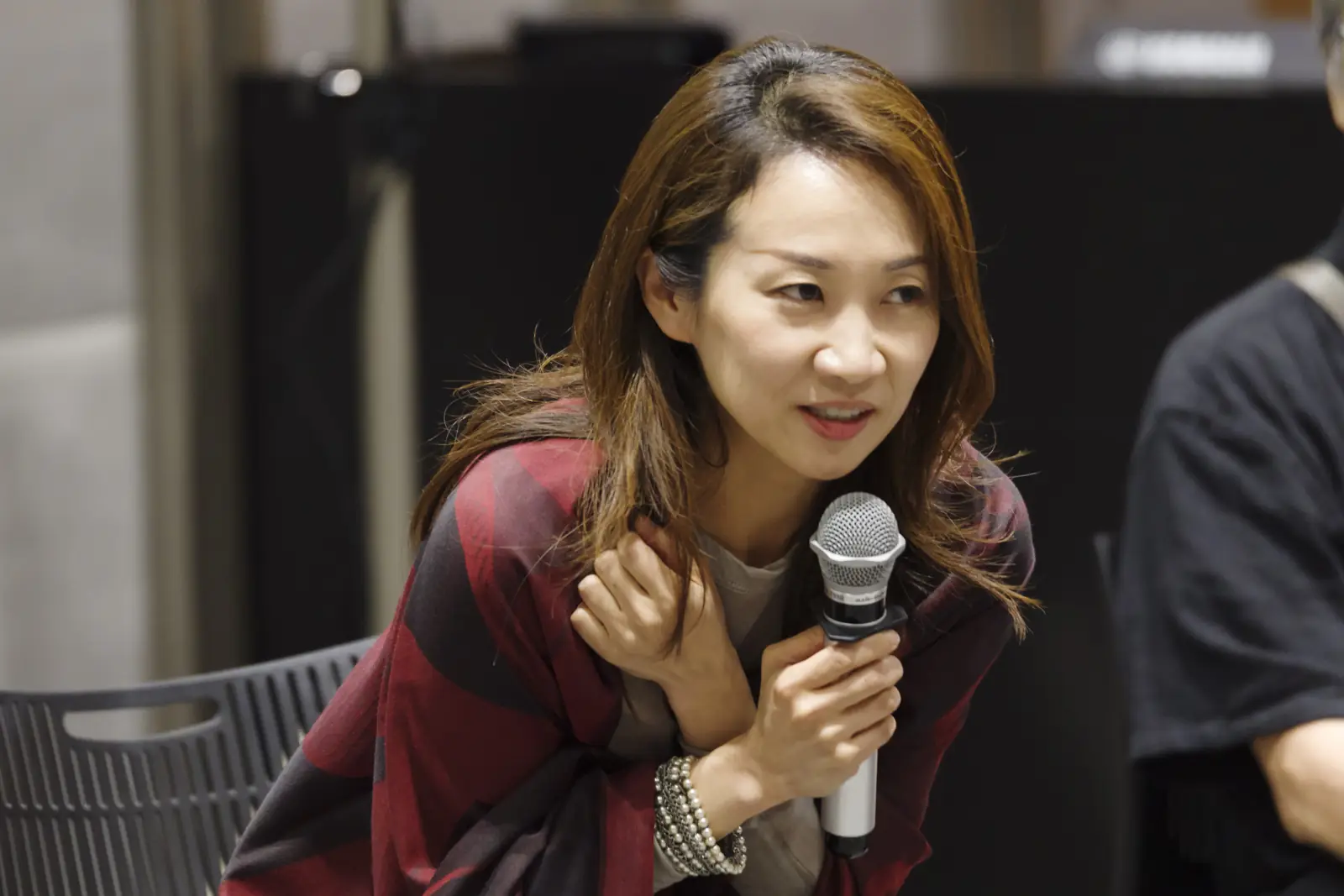
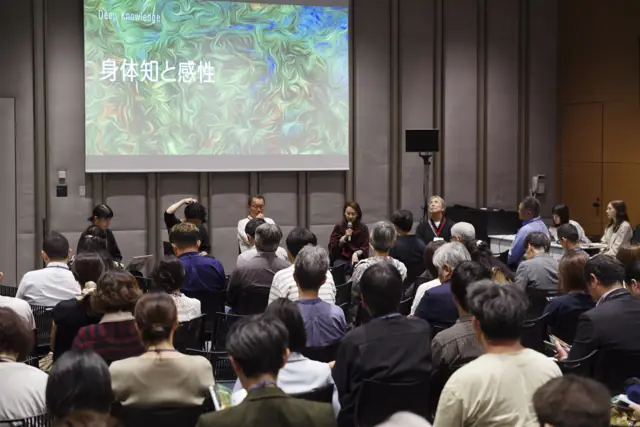
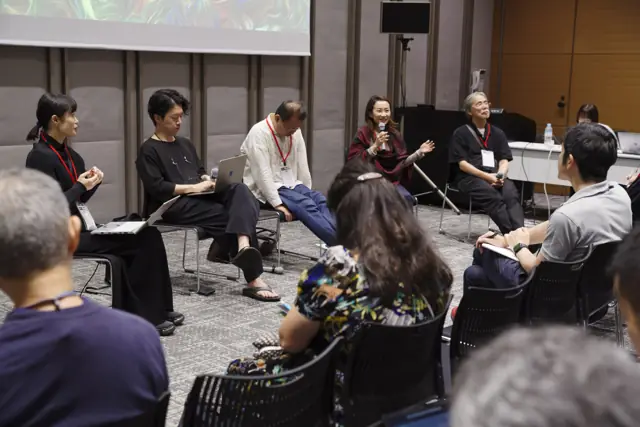
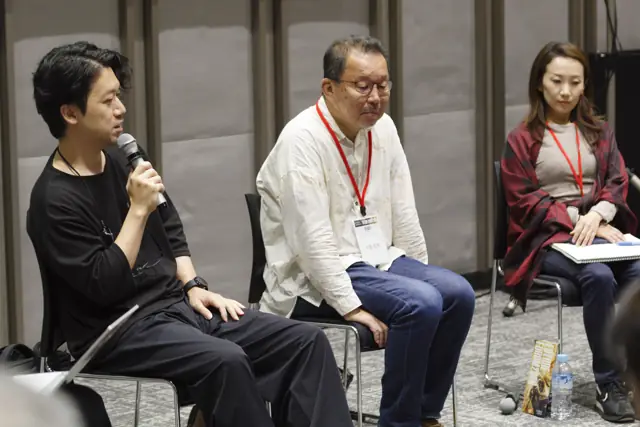
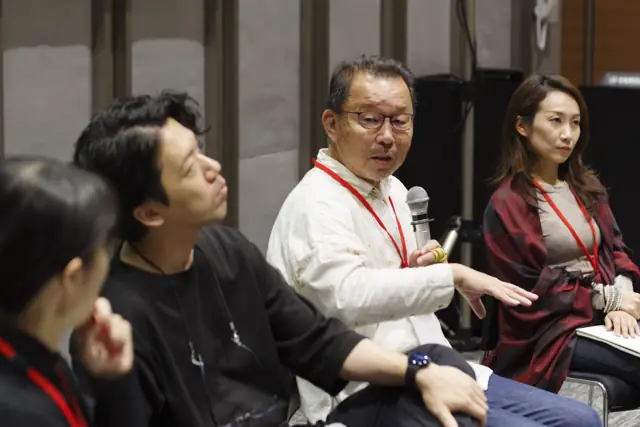
The session asked what knowledge gained through the body is and whether an intelligence without a body is possible. It described the experience of movements different from thinking with the head arising in body work after the earthquake, and the sense of unity felt when sensing the other's state in aikido. The question of whether the ability to sense the atmosphere of a place can be reduced to an individual's ability expanded into a thought experiment on whether society also has a collective body. Research on brain responses when touching with care was also introduced, and the shift from passivity to activity was discussed.
About this session
Embodied knowledge and sensibility, called for in the age of AI. To make this old and new buzzword genuinely our own, how far can we raise the resolution of embodied knowledge? In an age that demands actual execution, we take up a dialogue that raises that resolution, working from the relationship between embodied knowledge and innovation.
Speakers
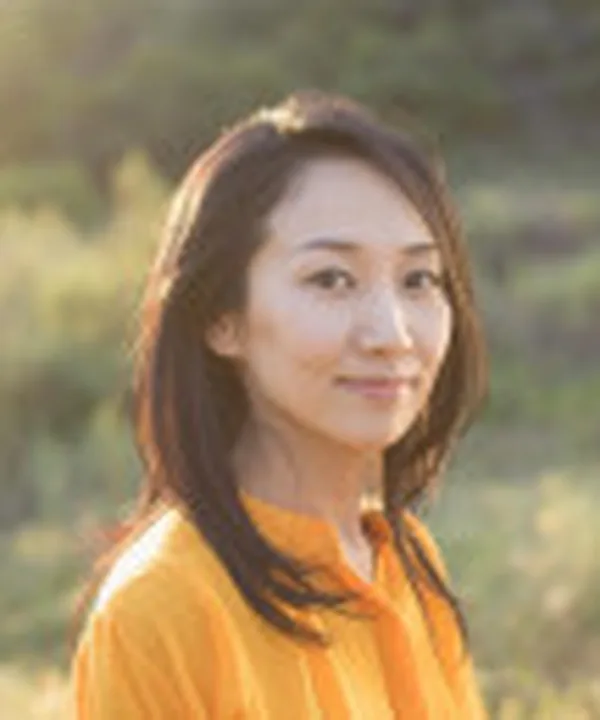
Yuki Inoue
INNO-Lab International Co-founder
After graduate study at Keio University she worked in consulting and research on scaling out social innovation. She was a Visiting Practitioner at Stanford University's Center on Philanthropy and Civil Society and at the Peter F. Drucker School of Management, Claremont Graduate University, before her present role. She works on leadership education through a holistic approach that includes what the body knows, and is a senior teacher of Social Presencing Theater. She is a director of Miratuku (NPO) and of Social Investment Partners.
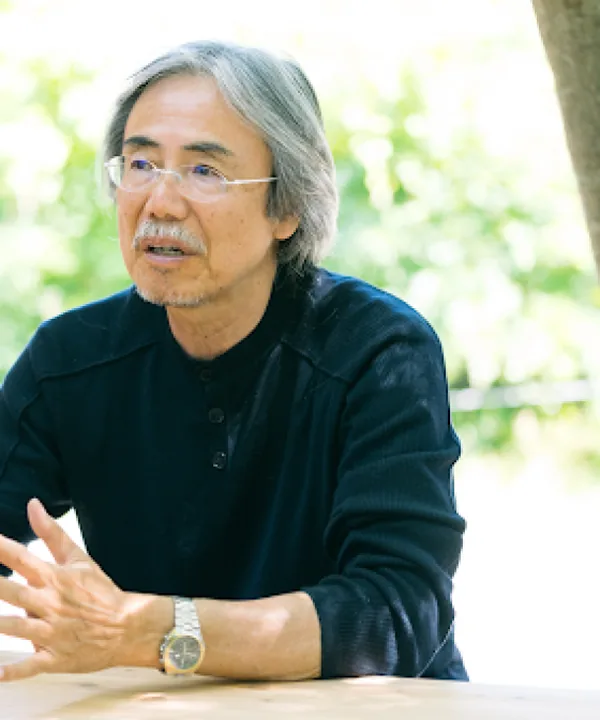
Ryusuke Naka
Kyoto Institute of Technology Professor Emeritus / Registered First-Class Architect
An architect and researcher whose subject is the design and evaluation of places where people work. He completed his master's at Tokyo University of Science, qualified as a first-class architect, and in 1994 was a Fulbright visiting researcher at the Massachusetts Institute of Technology. He took his doctorate in 2002 with a study on the evaluation of workplaces, and became a professor in the Graduate School of Science and Technology at the Kyoto Institute of Technology in 2007. He is now Professor Emeritus there and leads Naka Lab. His work reads space back from the behaviour and senses of the people in it, designing and assessing offices and places of learning against the body and the experience of being there.
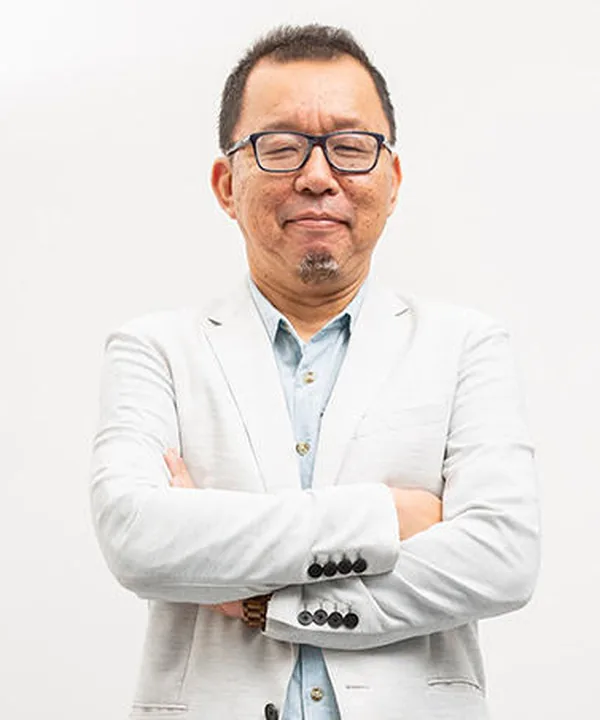
Nobuyoshi Ohmuro
The University of Nagano Professor, Faculty of Global Management / Dean, Graduate School of Social Innovation
His field is social innovation, and he teaches entrepreneurship, social business and related subjects. He is a professor in the Faculty of Global Management at The University of Nagano, where he heads the entrepreneurship course, and dean of the Graduate School of Social Innovation. His work addresses the resolution of social problems, the socialisation of small and medium-sized enterprises, the relationship between business and society, and regional revitalisation, from both research and practice.
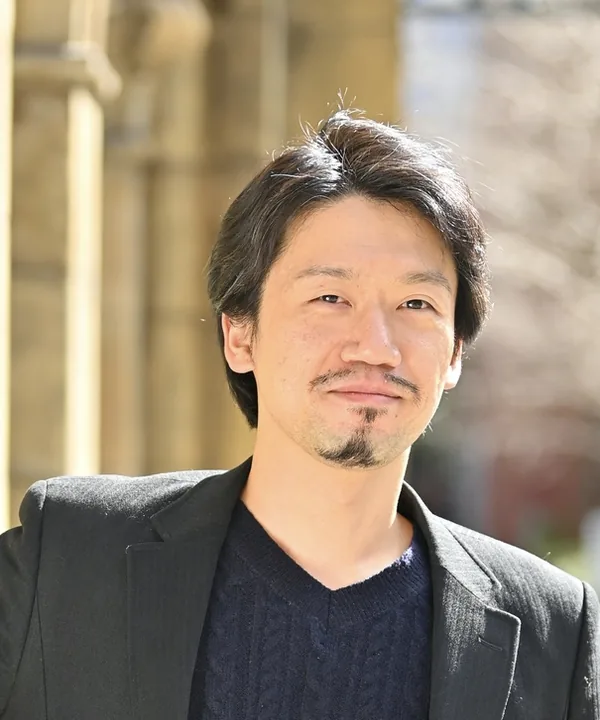
DAIKOKU Tatsuya
The University of Tokyo Associate Professor, Next Generation Intelligence Science Research Division, Information Technology Center, Graduate School of Information Science and Technology
PhD in medicine. Associate professor in the Next Generation Intelligence Science Research Division at the University of Tokyo. He works across creativity, music, language, cognitive science, neuroscience and machine learning, using statistical learning and EEG to study the neural and computational foundations of human creativity. His subjects include what the body knows in music, emotion and bodily sensation, and automatic composition, through which he explores the relationship between artificial intelligence and human intelligence and creativity.
Yuko Nakanishi
ModeratorShiseido Company, Limited, Brand Value Development Institute Manager
Watch the recording
The recording of this session, with subtitles and a summary, is part of the archive. One purchase covers all 33 sessions with no viewing deadline. Purchase and viewing are in Japanese.